Sometimes we need to take note of the signals our devices send out. If our computer is slow to respond, possibly there is a Windows upgrade brewing. And if our phone is unusually warm, this could be time to consult the supplier. Devices using lithium batteries should provide sterling service. Unless we step out of line and use a counterfeit battery, or a pirate phone charger for example.
Potential Dangers of a Pirate Phone Charger
A phone charger connects to the mains power supply when we plug it in. This energy is sufficient to power any regular equipment, even a high-demand device like a hair-dryer. But a smartphone has delicate electronic circuits this level of electricity would destroy.
A phone charger therefore adapts grid electricity to suit a particular phone’s voltage and amperage requirements. However, those energy requirements may vary between phones. This is why suppliers include proprietary chargers with their products, and recommend we use them.
Reputable phone manufactures take care to supply quality chargers, because they don’t like returns and warranty claims. Pirate phone charger suppliers, on the other hand don’t have these concerns. They are after high-volume sales and may cut corners with safety. If the energy transformer in their product fails, this can cause a short-circuit.
Counterfeit Charger Malfunctions in Family Home
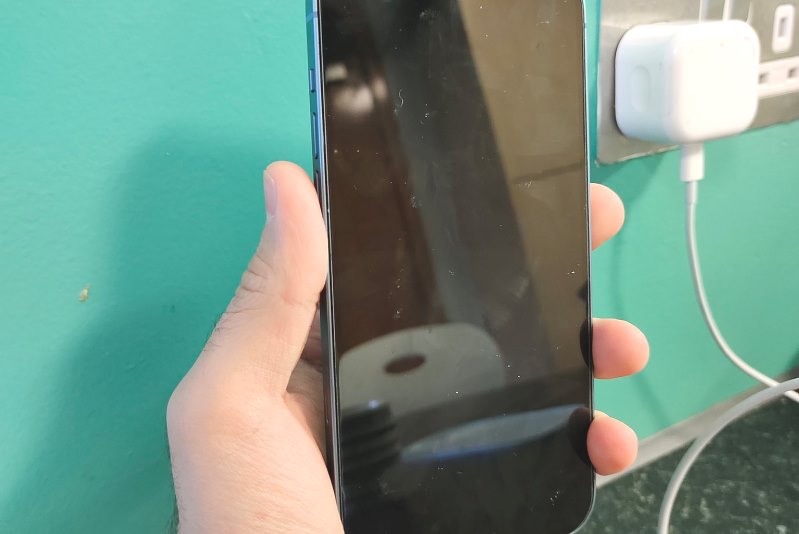
A UK mother obtained a pirate phone charger for a reason that’s not clear. She had charged her phone previously, unplugged it from the charger, but left the charger in the wall socket. This meant the charging device was still connected to the grid, and just needed a short circuit to start overheating.
The charger cable end was lying on the floor, with the tip under a small carpet. The family smelled smoke in the house. When the mother lifted the carpet, the cable tip was “glowing bright orange” and starting to melt, according to Daily Mail. When the mother unplugged the charger, she noticed the top of the plug had melted too.
More Information
What is In the Cellphone Battery in Your Device