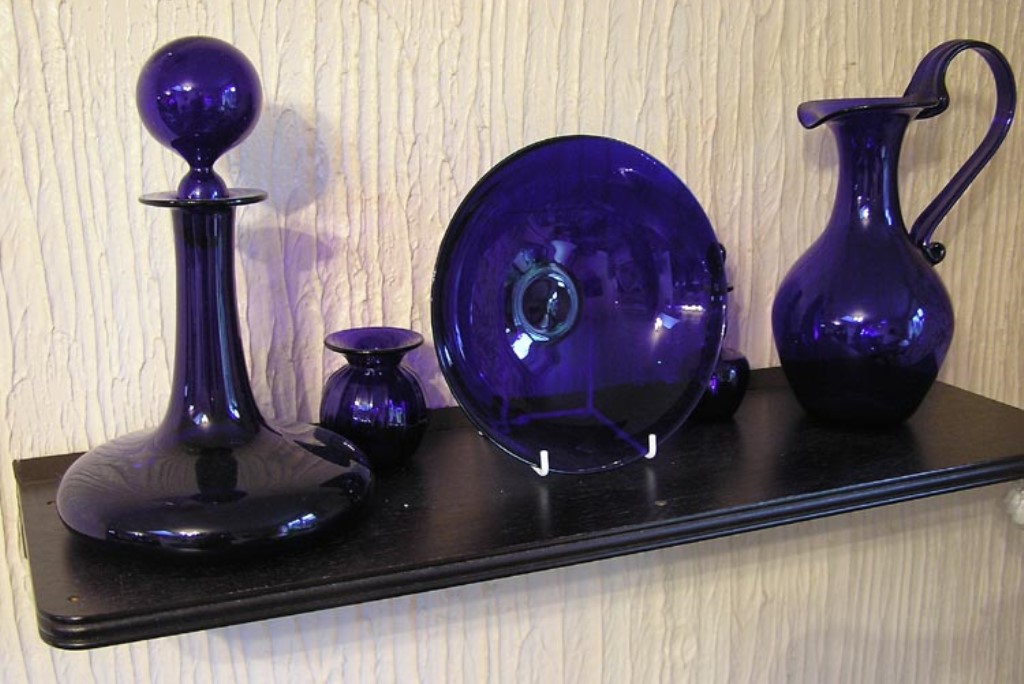
The chemical element cobalt appeared in Western chronicles in 1739. Although the Egyptian pharaohs tinted their shrines and clothes ‘cobalt blue’ thousands of years before. Cobalt’s role in lithium-ion batteries dominates the industry, although we wish it wouldn’t because it makes our phones and laptops so expensive.
Exploring Cobalt’s Role in Lithium-Ion Batteries
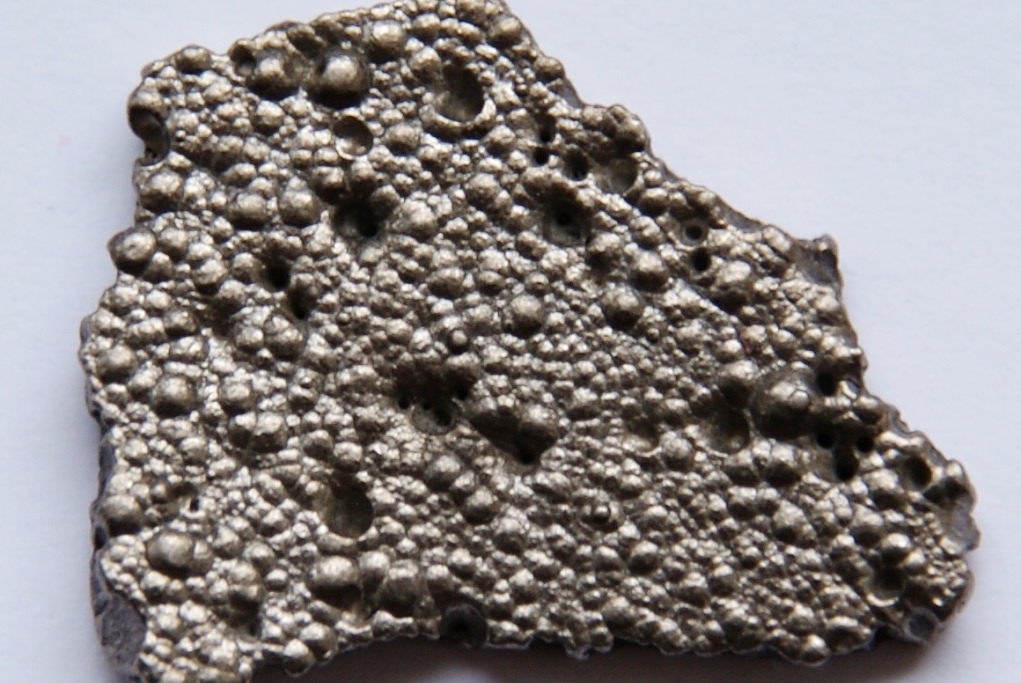
Secondary rechargable lithium batteries have two electrodes in a liquid solution, but a permeable polymer membrane separates them. Lithium ions move between them during charging and recharging, exchanging energy.
Carbon graphite is a popular anode material because the lithium ions can store in its layered structure. However, the laws of chemistry dictate the other electrode, the cathode, must be of a different material. The most popular cathode material is lithium-cobalt-oxide (Li-Co-O2). This releases the lithium ions during charging so the graphite anode can store them until a device calls for the energy.
How Cobalt-Based Lithium Batteries Wear Out
Cobalts role in lithium-ion batteries is limited because the lithium in the cathode structure gradually decays. This changes characteristics after losing 60% of it. The loss occurs because some lithium-ions are lost in the process.

Therefore, we need to replace lithium with something else. Nickel is a possibility, although the material becomes a fire hazard if we remove too much lithium. Aluminum can downscale the risk at the cost of a slight loss of cell capacity.
We agree with AZO Mining that cobalts role in lithium-ion batteries appears entrenched for now. However, this supports an autocratic regime in Democratic Republic of Congo, and promotes China’s semi-monopoly over cobalt resources. Seeking out cheaper alternatives could be part of democratizing batteries in electric vehicles.
And that surely would benefit all of us. The future of our planet would be richer too, for we must learn to live together in peace and harmony, regardless of our differences.
Related
Phasing Out Lithium Part 2: Cobalt Reserves
Cobalt Improves Nickel Cathode Performance
Preview Image: Cobalt in Glassware