We need to prepare for the post-lithium-ion phase in battery development. Lithium appears to have reached the peak of the curve where it may be unable to improve performance. As things stand, it is holding back green marine battery development. We need to close the divide between electric car batteries, and the humble nickel cadmium version to improve nickel cathode performance.
Technology Gap to Improving Nickel Cathode Performance
Many mobile phone, laptop, and electric car batteries circulate lithium ions between two charged materials. These materials are a negative anode often made of graphite, and a positive cathode of cobalt, or manganese dioxide.
However, both materials are expensive and in relatively short supply. Battery manufacturers have tried using nickel-rich oxides in cathodes instead. These are cheap and effective, hence a potentially popular alternative. But there is a problem. Nickel cathode performance is poor because the cathodes crack and dissolve quickly. This reduces battery capacity and useful life, so a bad idea.
Watch This Video to Discover How Lithium-Ion Batteries Work
A Better Idea: 80% Nickel Coated with Cobalt
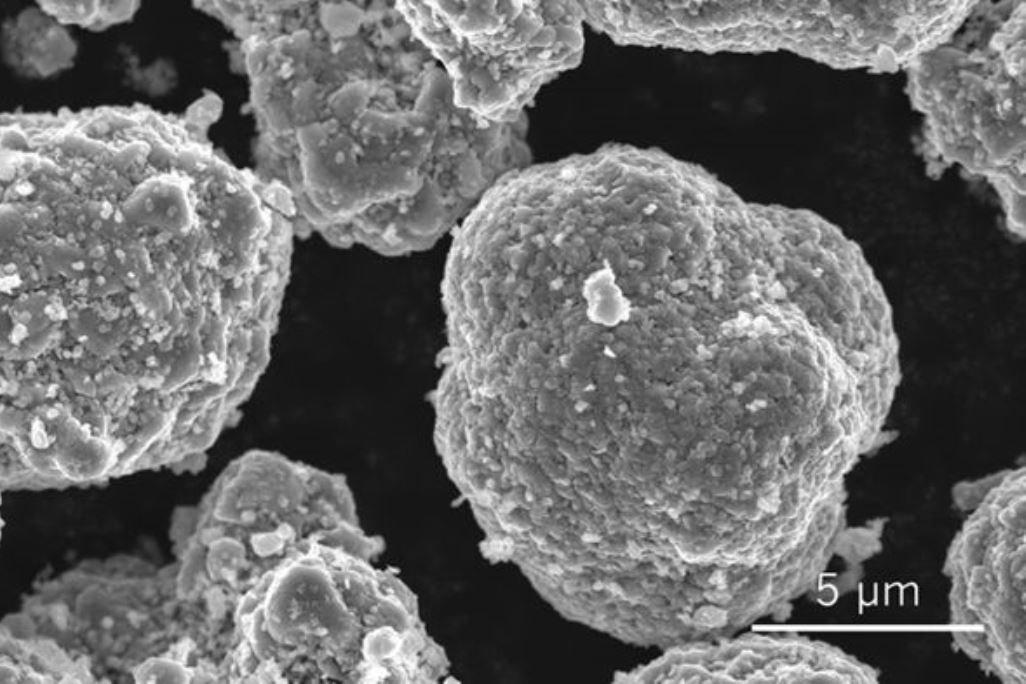
Jaephil Cho at the Ulsan National Institute of Science and Technology in South Korea developed a new nickel cathode. He and his colleagues developed one composed of more than 80% nickel. Then they coated it with nano-scale cobalt crystals.
This method produced a battery retaining 86% of capacity after 400 recycles at room temperature, they say. They claim the reduced use of scarce cobalt will produce more practical electric car batteries, as the precious metal’s prices rise. If they are correct, this could be a significant step forward.
To quote Jaephil Cho, “During cycling, the nickel defects in the cathode are significantly suppressed. This prevents nickel ion crossover. In particular, the anode SEI solid electrolyte interphase layer maintains a uniform and dense structure. This leads to outstanding cycling stability in the full-cell, with a capacity retention of ∼86% after 400 cycles at 25 °C”.
Related
Will Nickel-Iron Batteries Make a Come Back?
What is a Nickel Cadmium Battery?
Preview Image: Cobalt Crystal Coating
Video Share Link: https://youtu.be/kqR7MihP5k4