The English poet Thomas wrote, “We shall not cease from exploration. And the end of all our exploring will be to arrive where we started. And know the place for the first time”. We learned about the Detroit Electric Car, and realized, sadly, how this might have prevented global warming by gasoline engines.
The Amazing Story of the Detroit Electric Car
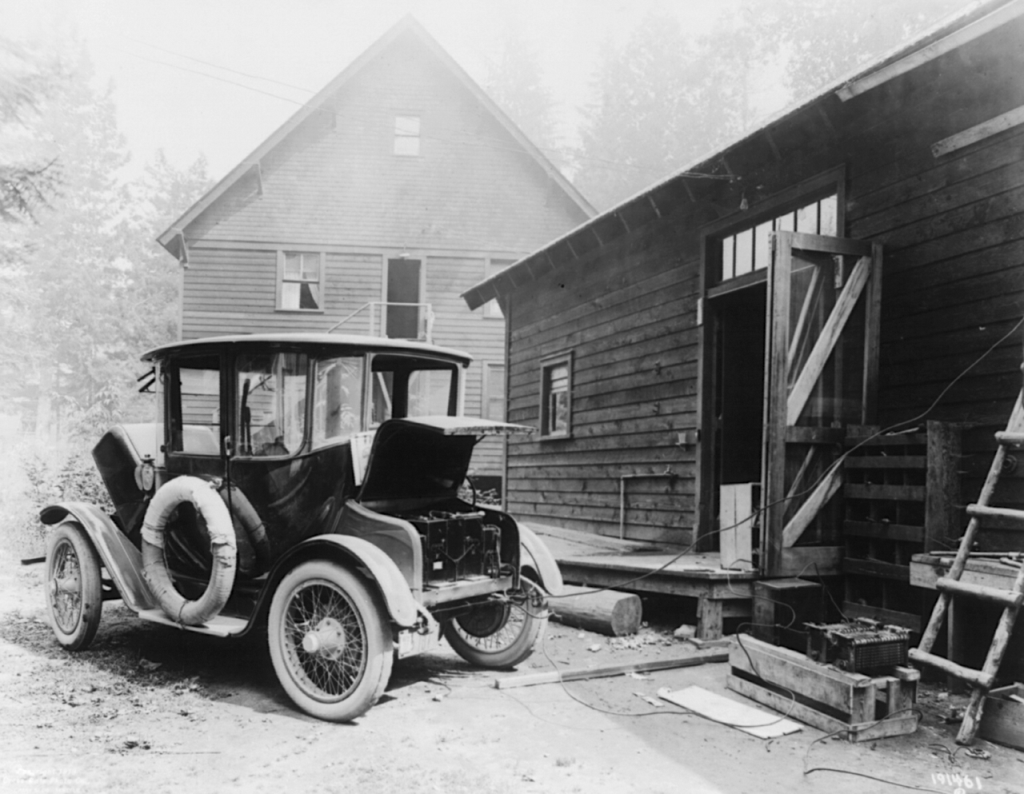
In 1907, the Anderson Carriage Company put a rechargable lead-acid battery and electric motor in a buggy. The conservative distance per charge was eighty miles, although one version did achieve 211 miles in test conditions.
The top speed of 20 miles per hour was adequate in city traffic. Women loved the Detroit electric car because there was no need to crank the engine.
Doctors and midwives purchased it because it was quiet, reliable and started instantly. Production peaked in the 1910’s at 1,000 – 2,000 cars a year. So overall it had the makings of a success story.
The Sad Tale of Grandma Duck’s Demise
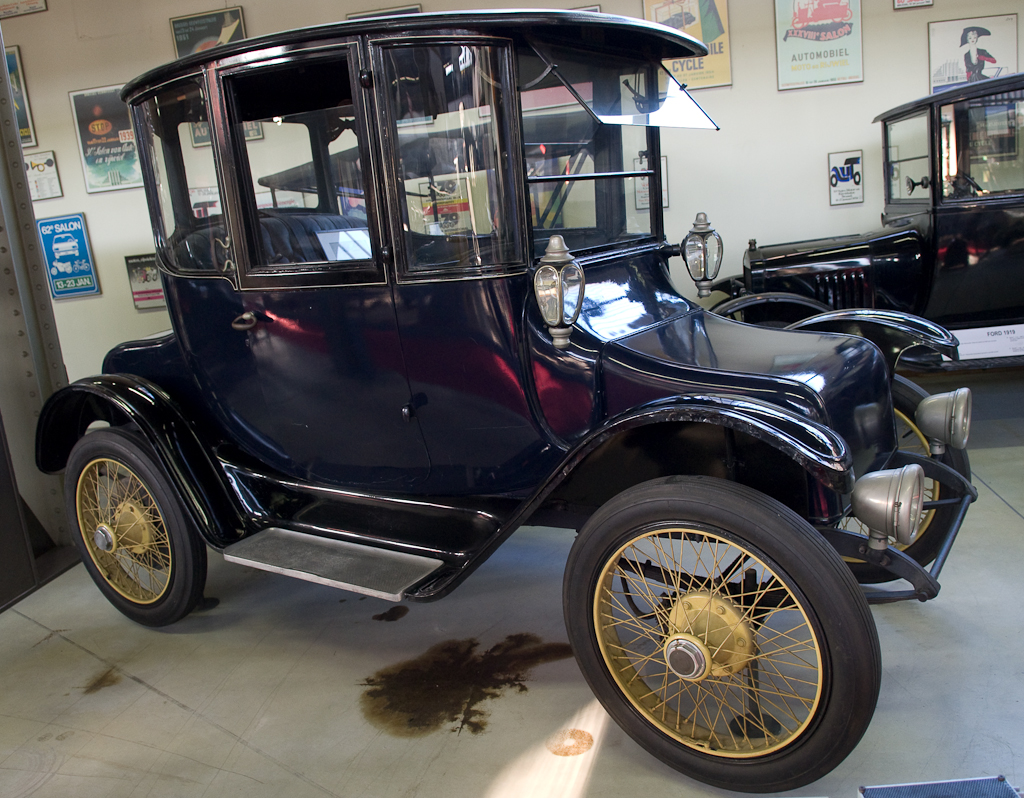
The company did well during World War 1, when the price of gasoline was high. However new automobile technology developed for the military challenged that when the war was over. The Detroit electric car limped along until the 1929 Stock Market crash put it into liquidation.
A new owner produced a few more cars through to 1939. Famous owners included Thomas Edison, Charles Proteus Steinmetz and John D. Rockefeller, Jr. Henry Ford purchased one for his wife Clara. We are left wondering what might have been, if electric cars had been more popular.
Could we, might we, have avoided gasoline-polluted cities, and an excess of carbon dioxide in the atmosphere? Later generations called the Detroit electric car ‘Grandma Duck’ after the Disney comic book. Let’s go for a ride in a Detroit electric car, so we can get the feeling for what might have been.
Related
History of Electric Cars: The Beginning
Electric Car History Update: Henry Ford
Preview Image: 1912 Detroit Electric Car
Video Share Link: https://youtu.be/cS10U79B8bk