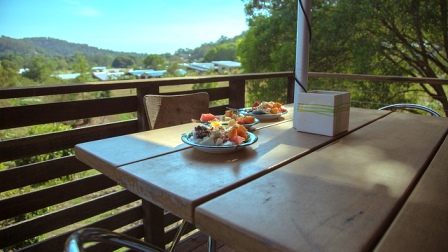
Missouri University of Science and Technology is constructing a new eco-village. This will be a space where “human activities integrate harmlessly into the natural world. And do so in a way that can successfully continue into the indefinite future.” Moreover the intention is to design homes that improve the physical and mental welfare of residents.
New Eco-Village Grid is Entirely Solar
The Missouri University of Science and Technology campus is in the town of Rolla. Rolla has a blend of humid continental and humid subtropical climates. The University is taking the plunge. It is relying on an average 193 sunny days a year for solar electricity.
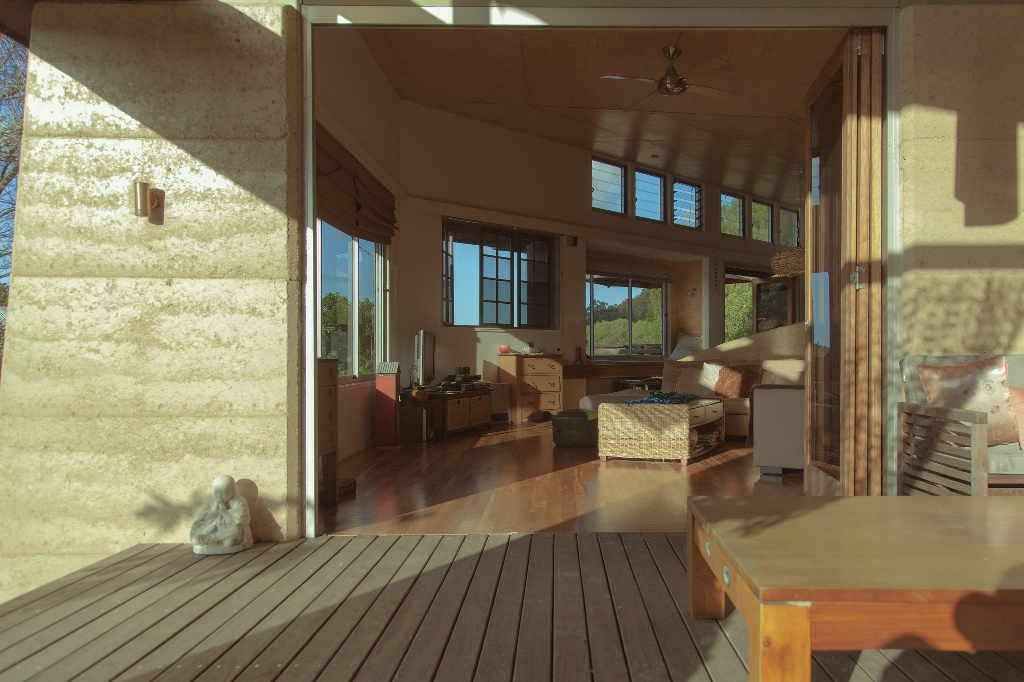
Each house will have its own micro-grid energy management system and electric vehicle charging station in order to allow responsible energy management. The primary construction material will be wood, just like this house in Queensland Australia.
Lead-Acid Batteries Will be ‘The Right Choice’
It follows that the new eco-village requires secure energy storage. Because this must carry it through the average 172 days a year when the sun may not shine. “Lead acid batteries still retain a large share of the high-power battery market,” the project leader says. “This is despite competition from newer energy storage chemistries. For example, the lithium ion batteries in our first micro-grid.”

This time low cost, reliability, and tolerance to overcharging have won the day. “Lead-acid has been around for 140 years,” the project leader explains. “Furthermore, lead acid batteries are the most recycled product in the world.
Moreover there is a large infrastructure in place to support recycling. This alone is thus a good reason for us to use lead-acid as an energy storage option in our next micro-grid.” The photo is of a related project in Torvetua, Norway
Lead-Acid to Power a Living Lab of Sustainability
The houses in the new eco-village are placed between the All-Good Bailey Stadium and the Innovation Park. They will be a ‘living lab’. Since researchers can collect online data, and experiment with new sustainability techniques there. “This project will highlight how lead batteries are the right choice in this type of application. Because we believe they provide an excellent energy storage option for the new eco-village,” a spokesperson concludes.
Related
Battery Storage Set to Boom in 2017
Battery Choices for Solar: Which is Right?
Preview Image: Sustainable Kitchen