Northern Eurasian climate change is extending the thermal growing season. Earlier onsets and later terminations will continue in the face of a 1.5°C to 2°C warming world. However, scorching temperatures and less water for irrigation will offset the benefits for wheat crops.
Russia Keen to Counter Eurasian Climate Change in 2009
Russia declared itself ready in 2009 to reduce 1990 emissions by 20% to 25% by 2020. It ratified the Kyoto Protocol three months before it came into effect on 16 February 2005.
However, this did not result in a positive step-change in emissions. Because it had already reached its goal following a significant drop in economic growth. Moreover, Russia sided with United States in 2007, when France, Germany, Italy, Japan, the United Kingdom, and Canada wanted the G8 to commit to “at least halve global CO2 emissions by 2050.”
How Increasing Temperatures Affect Eurasian Climate Change
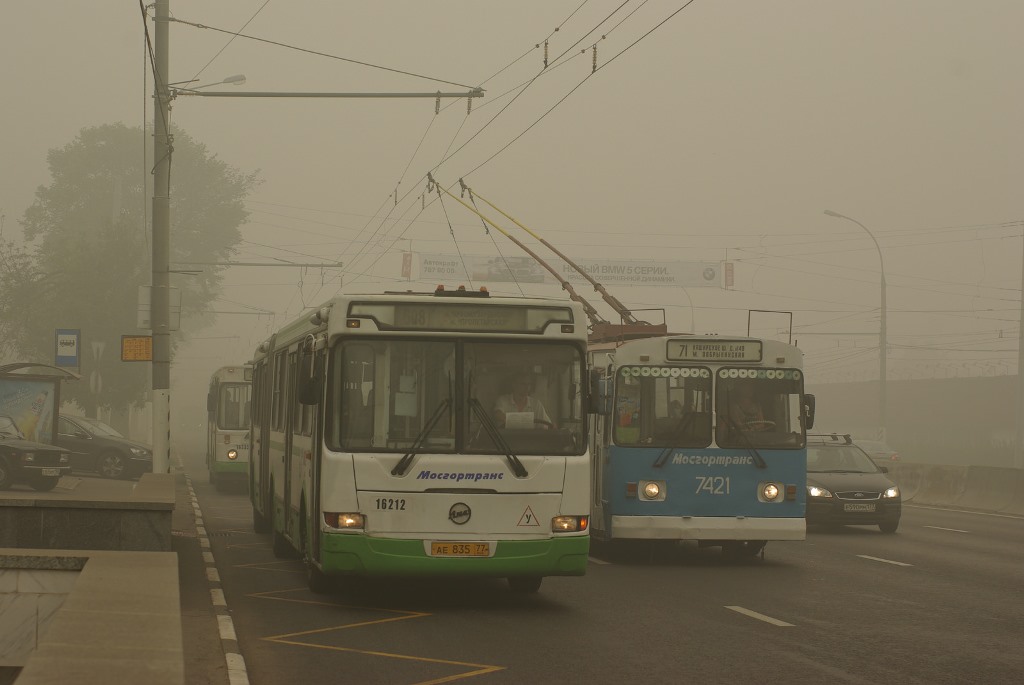
Russia, Eurasia and other higher northern latitudes face earlier springs, and more frequent wildfires. Furthermore pests will increasingly disturb forests. While humans will suffer more from allergenic pollen and infectious diseases.
There may also be more frequent inland flooding, and more severe coastal inundations. Inadvertent melting of permafrost will considerably increase Russia’s unintended carbon emissions. And those of its northern neighbors similarly affected by Eurasian climate change.
Russia remains one of the worst industrial emitters after the United States, and ahead of China and India. Its front-line defense, its forests are under threat from illegal logging, corruption, forest fires and irresponsible land use. While it continues to rely on peat, oil shale, lignite and coal for its energy.
Related:
Record High Temperatures Around the World
Alaska Softens its Carbon Footprint in Two Ways
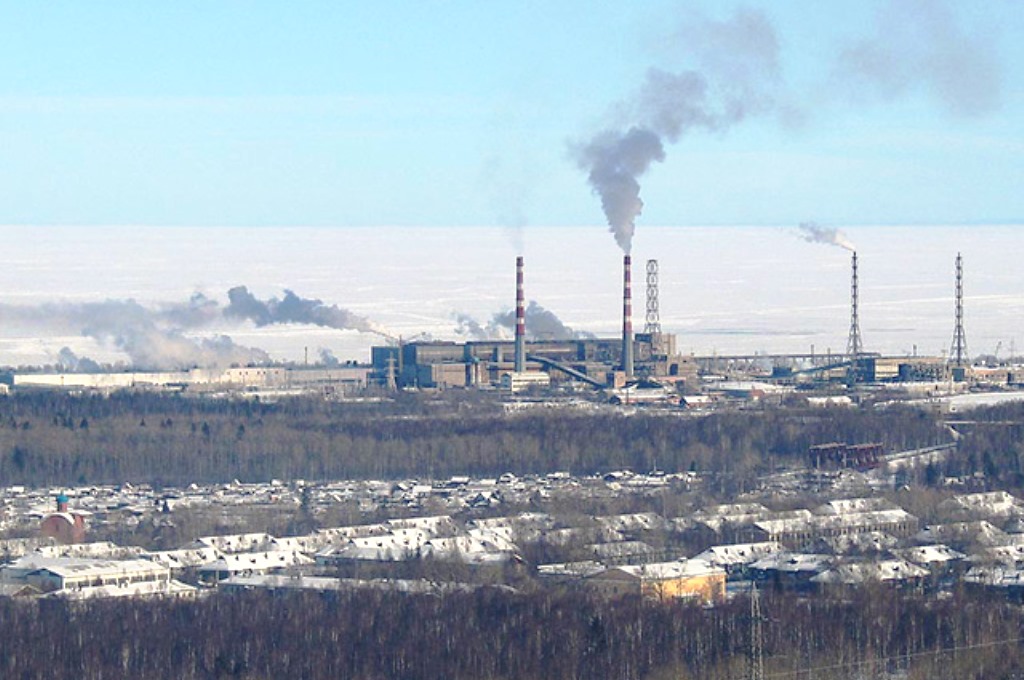
Preview Image: Water Pollution from Bajkal’sk Paper Mill in Russia