We know the reason before we ask, and the answer is gender prejudice. Why else are there so few patents in the names of women in battery history, as men recorded it? We see women receiving increasing recognition in research nowadays. However, we acknowledge this fact because their research is valuable, not as a gender apology.
Two Women in Early Battery History / Transport Technology
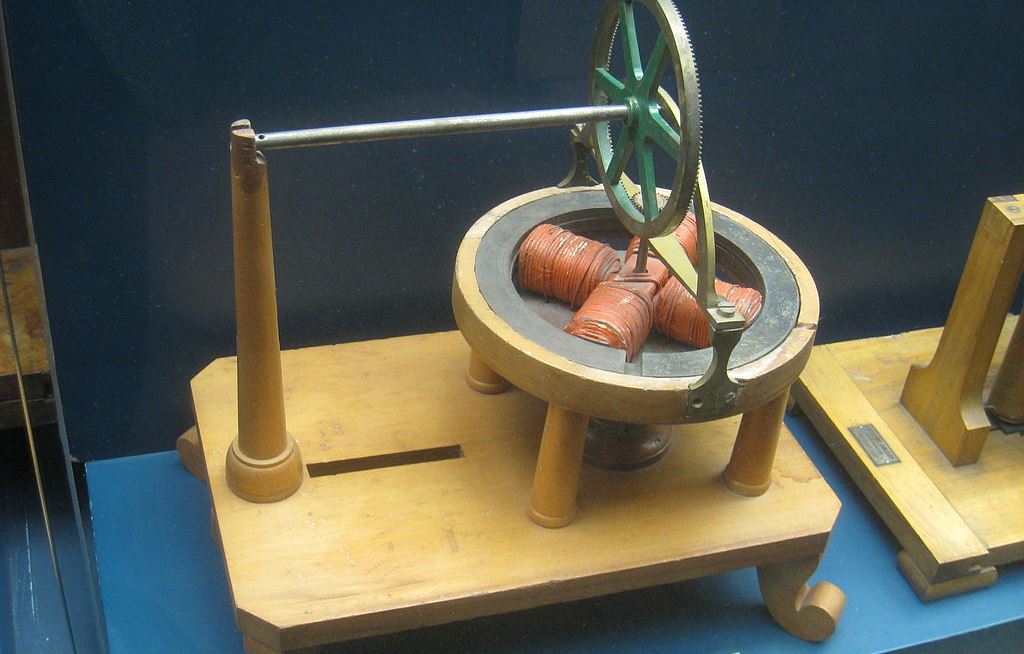
Thomas and Emily Davenport filed U.S. Patent 132 for the first American electric machine in 1837, although only his name was on the document. However DataAmp.Org attests she was “a significant contributor to the inventive process”.
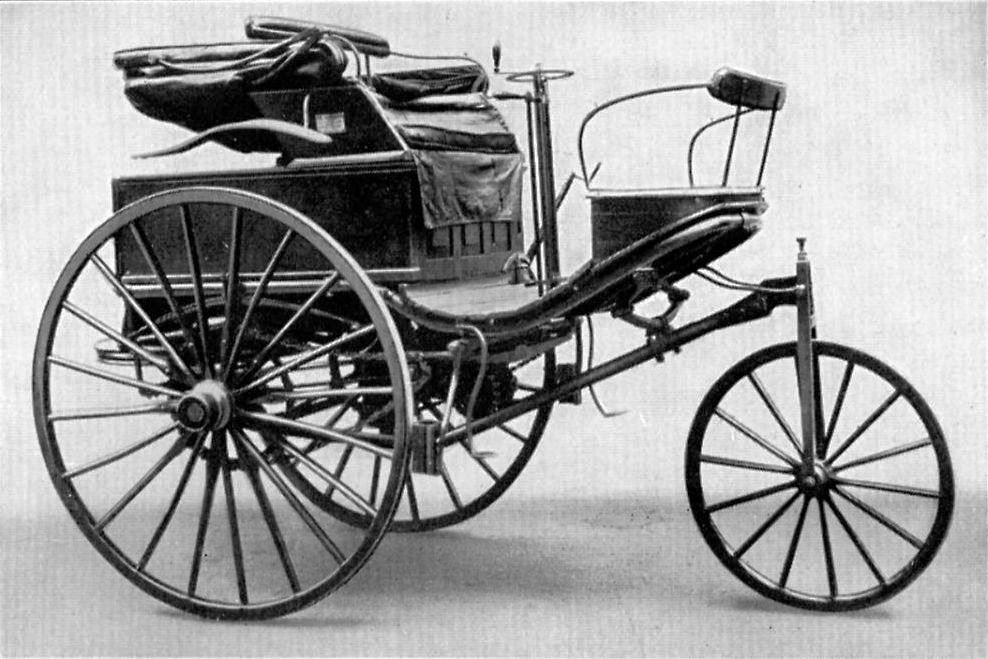
Karl Benz had few takers for his Model 3 Motorwagen in 1886 because investors did not see the potential. His wife and business partner Bertha Benz certainly did and she took it for a 120-mile spin to prove the point. We believe she was deeply involved in the project as one of the women in technology history who became famous. How else would she have known how to clean the carburetor with a hatpin? Or realized she could top the gasoline up with benzene petroleum from a drug store, for that matter.
Famous Contemporary Women in Recent Battery History
Accutronics.Com lists four stellar performers we would like to mention, although we are confident there are many more. Esther Takeuchi invented small lithium-silver-vanadium-oxide batteries for implantable cardiac defibrillators in the late 1980s. President Obama awarded her the 2009 National Medal of Technology.
In parallel, Olga D Gonzalez-Sanabria was making significant contributions to the nickel-hydrogen batteries that powered the International Space Station.
Not to be outdone, Maria Helena Braga is beavering away at perfecting the glass-electrolyte-solid-state batteries she prototyped while at university.
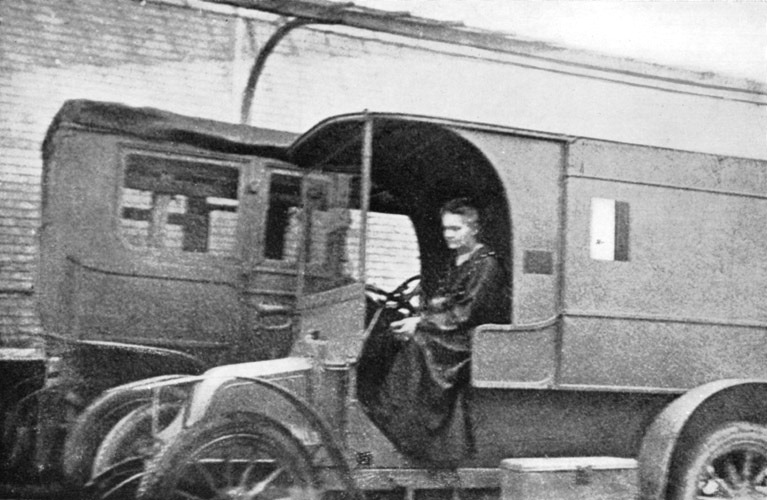
While Christina Lampe-Önnerud is justifying her ‘queen of batteries’ title with a new design that “places a ceramic insert into an aluminum container”. We salute the silent women in battery history unfolding today before our eyes. You are today’s ‘Marie Curies’ pushing back the barriers of science, and we thank you for that.
Related
Davenport’s Thoughts of Electric Streetcars in 1834
Climate Change Part 4: The Motorwagen 1873
Preview Image: Thomas and Emily Davenport U.S. Patent 132