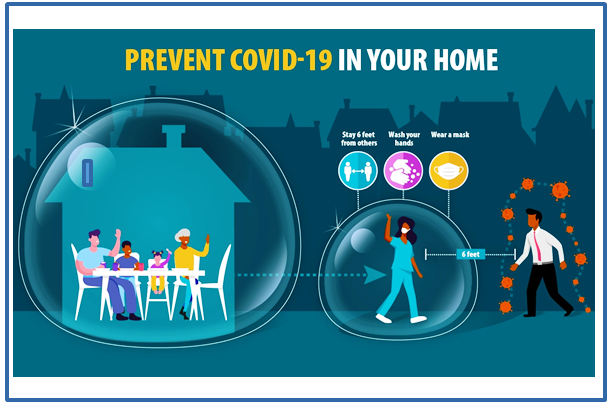
Forming a COVID support bubble that works is a great counter to the loneliness of social distancing in crowds. And also for work-at-homers and elderly couples sheltering from the pandemic raging over North America. Those of us who are more engaged with the world can follow the advice in the drawing above. But what about those isolated people literally on their own?
Forming a COVID Support Bubble That Works for Them Too
The more people we meet, the more likely one of them has the virus and could transfer it to us. Truly solitary people are content to live in their isolated bubble. However, the rest of us like to travel in groups through life. Not having human contact can be more than socially disruptive. It can affect us so deeply we can sink into deep depression.
U.S. News confirms social bubbles containing more than one person limit the risk of infection, provided we do them properly. But this means adhering to the rules we make in everybody’s interests. Let’s explore what this means during the pandemic.
Broad Principles for COVID Support Bubbles That Work
The principle of the more people we meet, the more likely one of them has the virus applies. A COVID bubble contains two small ‘social groups’ of similar sizes that interact exclusively with each other.
1… Two parents and two kids could bubble with a similar-size family
2… A solitary couple may be able to find another pair with similar interests
3… Someone on their own for whatever reason could find a proxy soul mate
Social bubbles are exclusive arrangements. Once we form one, we should remain in it and be faithful to the trust. Forming a COVID support bubble that works is a pandemic-long relationship. Therefore, like all long-term bonds it helps if there are common interests that nurture the link.
Related
Dreaming of a Safer Christmas In 2021
R Factor Compass of Infection Direction
Preview Image: Protection at Home