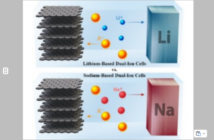
Graphite is an ancient mineral we find in carbon-rich sedimentary and igneous rocks, and also in meteorites from space. This crystalline allotrope comprises many, even hundreds of layers of graphene. This arrangement facilitates the intercalation of ions. This is why we find graphite in electrochemical batteries so frequently as anodes.
Graphite in Batteries Is Just One Example
We find graphite in its natural, and synthetic form in a huge variety of applications. Globally, the world mines over a million metric tons of graphite annually. This material finds its way into a variety of uses, as diverse as lubricants, foundries, pencils, and of course battery anodes too.
While our main topic is graphite in electrochemical batteries, we should mention that our ancestors used graphite 4,000 years ago. Neolithic folk back then used graphite as a paint for decorating their pottery.
Not so far back in time, 1565 in our current era, locals discovered a huge graphite deposit in Cumbria, England, that they used for marking sheep. Then someone found a way of using graphite for molding smooth cannon balls during the first Queen Elizabeth’s reign.
Intercalation in the World of Batteries
Graphite took off in the 1970’s in our world of batteries, as anode material. Graphite is the predominant anode nowadays in lithium-ion batteries. This is likely to remain largely so for the immediate future, because most research focuses on lithium, manganese, nickel, and cobalt etc. cathodes.
Electric vehicle batteries can contain more than 100 pounds weight of graphite. We are indeed fortunate that this is such an abundant material. We also find graphite in brushes for electric motors. It is becoming hard to imagine a wold without graphite!
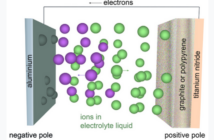
Intercalation of ions in graphite battery electrodes enables them to discharge and recharge their electrical energy. This puts strain on most host materials. Graphite’s ability to intercalate lithium ions without significant damage from swelling, makes it the dominant anode material in lithium-ion batteries.

More Information
Silicon-Graphite Anodes – The Way Forward?