The war against terrorism, bigotry, and human rights violations is loud and boisterous; it’s globalized, leading to the unification of citizens across borders, colours, ages and race. It’s evoked social movements that continue to shape the world, and while this interconnectivity is commendable, it’s forgetting one major threat: climate change. Sure, we are talking about it, but it almost seems like that’s all we’re doing.
Are We Not Motivated Enough?
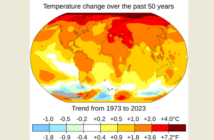
We know that the world is getting hotter and that climate events are a direct response to it. We also know that weather determines ecosystems, which determine the survival, experience and outlook of human and animal populations. Yet, why is it that we aren’t waging a “war” against climate?
Is it that we aren’t just there yet? How much more palpable does it need to be? It’s existential and not internal. Global warming isn’t only happening below the surface anymore, it’s like putting a bowl of soup in the microwave without a cover. The results are scorching and only get worse the longer we allow it to boil.
America’s Current Climate On Climate Change:
And perhaps we should be happy with the U.S., as they unleash the Green New Deal, which evokes the same emergency economic measurements of Franklin Roosevelt in the 1930s. This concept is nothing new, and has been around for a decade, shooting to prominence over the last few months in the form of a 14-page resolution that was introduced into the U.S. House of Representatives and in the Senate.
The U.S. has a tumultuous relationship with climate change, particularly in a post-Trump new year. Opting out of the Paris agreements, it might as well be lauded for these efforts rather than critics asking whether it is affordable. The answer doesn’t seem idealistic, it seems necessary. Yes. Yes. Yes. We can afford it with the right fiscal policies and attitude. Beyond the want to afford it, we need to. Climate emergency may as well be our third world war.
The U.S. has already lost almost 2 per cent of their GDP in weather-related disasters, including hurricanes and floods. The health costs will likely run into the billions as well. Either way, it seems like the price of climate is almost forcing us to act now or continue to face eminent extinction.
Why America Can Afford the Green New Deal:
If it’s done right, the climate response would do more for the economy just like the second world war did for America’s golden economic era. The deal would increase demand and ensure that all resources were used, ensuring that the transition to the green economy would create a boom.
Through the elimination of the billions of dollars of fossil fuel subsidies, and moving resources from dirty energy to clean energy, there will be more money. If the U.S. adopts more of a Northern approach, by taxing dirty industries and ensuring that they pay high tax rates as those who work for a living.
There is no reason that the green economy of the 21st century has to follow the same models of the 20th century fossil fuel economy.
Related: