No, this is not an announcement that lead-acid batteries are replacing lithium-ion technology in electric vehicles. Although that is not to say they might not do so someday, if scientists could scale down the technology. None the less, lead acid batteries in EV vehicles already play a secondary role, on account of their legendary reliability.
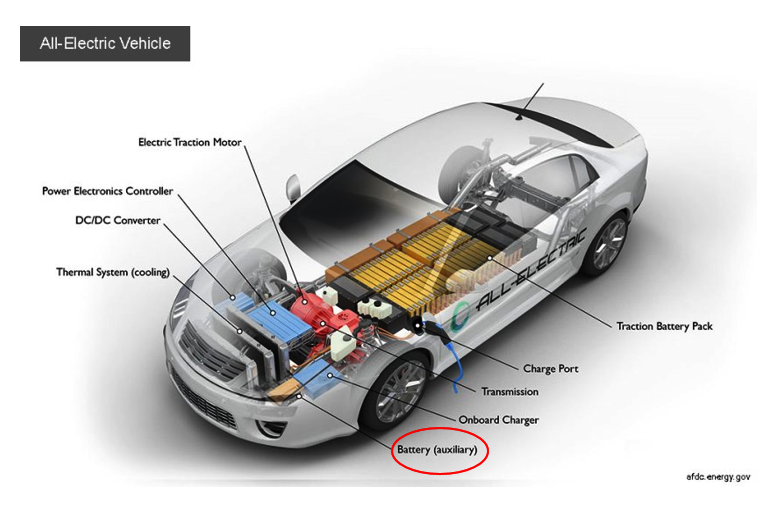
Lead Acid Batteries Back Up Primary EV Systems
Primary electric vehicle batteries deliver high voltage electricity to power the drive wheels. And so they should, given the weight their electric motors propel. However, this voltage would destroy low-power secondary electric systems, some of which are essential for driver and passenger safety.
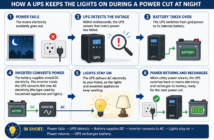
If an electric vehicle primary battery were to fail – and there was no secondary battery back-up – then several things would happen. The navigation lights would go out. The windshield wipers and driver information system would stop working. The airbags would not trigger in the event of a collision. Imagine this happening at night!
No wonder lead-acid batteries in EV secondary systems are a fundamental feature of electric transport. In fact, it is hard to imagine road safety authorities approving electric vehicles on public roads, without them. Especially, we might add, as the alternative lithium-ion batteries can become unstable in an accident.
More Reasons For Lead Battery Technology
- Lead battery technology is proven reliable and durable. The chemicals inside – which cannot burn – are within a stout case. Lead-acid batteries operate equally well in hot and cold conditions. They cope better with over-charging than lithium-ion chemistry too.
- Lead acid-batteries are relatively cheap compared to other battery types, and are easy to install. They have excellent resale scrap value, which brings down their cost to consumers. Their technology also dates back many decades, making them a proven solution.
Lead-acid batteries in electric vehicles help assure that secondary systems, including airbags and driving lights continue to function, when we need them most.
More Information
Better EV Battery Information Benefits Users