


It would be hard to imagine life without sealed lead acid storage batteries. In our homes and offices, they provide UPS assurance, and power our recreational trailers, home alarms, garage doors, and entrance gates. They also help us start our cars and boats, and energize our stairlifts and scooters. Customers often ask us what goes on inside them. So what are the secrets of sealed lead acid batteries?
How Sealed Lead Acid Technology Works
Lead acid batteries still use the secrets discovered by Gaston Planté in 1859. He found he could cause an electrochemical reaction by separating sheets of lead. Modern lead acid batteries, of both the deep cycle and starting kind comprise a case with lead electrodes and acid inside. The case is plastic so it does not conduct electricity. Furthermore, it is less likely to crack if it topples over, or is otherwise mishandled.
The Inner Secrets of Sealed Lead Acid Batteries
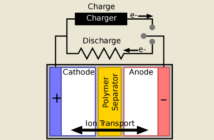
Modern lead-acid batteries still follow Gaston Planté’s principles. They use lead sheets – in this case with sulfuric acid separating them. However they now contain several pairs of electrodes joined up to produce greater voltage. And these electrodes are also vastly more efficient.
The two electrodes comprise lead dioxide for the positive anode, and spongy lead for the negative cathode. We’ll leave it to the video to explain how they combine with sulfuric acid to manufacture electricity. Or else we would need several ‘miles’ of web pages to write everything down. After all, we did promise our posts would be brief.
It is actually quite amazing that sealed lead acid batteries are still around, despite all the inventions on the lithium side. The last of the secrets of sealed lead acid battery success is they are affordable and dependable. This is how we are able to market them with confidence, and supply such an amazingly wide range.
Related
Lead Battery Knowledge Unknown for Many Years
Can lead acid batteries be restored?
Preview Image: UPS Battery Center

1 Comment
You keep switching back and forth between SEALED lead acid and normal lead acid without explaining the difference.