French inventor Gaston Planté introduced the first rechargeable lead-acid battery in 1859. It was an important achievement, because earlier batteries were generally only used until their chemical materials were exhausted. However, his lead-acid battery was not ready for serious business yet.
Planté Showed That Electrical Energy Could Be Stored
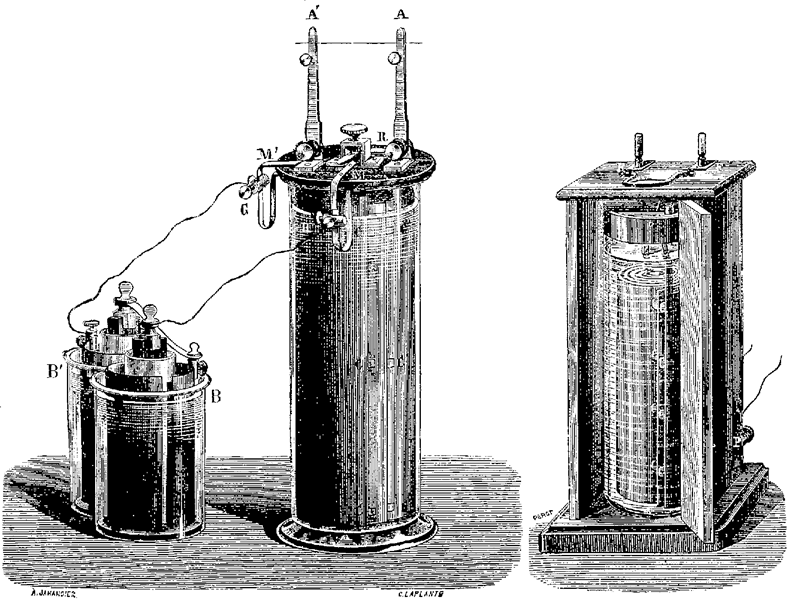
Planté’s invention showed that electrical energy could store for later use. His first design was simple. Two pure lead sheets with a cloth separator between in a spiral roll.
This roll was in a glass jar containing dilute sulfuric acid. When electricity passed through the battery, chemical changes occurred in the lead plates. The battery could then deliver electricity through a circuit.
The First Lead-Acid Battery Was Not Yet Ready
However, the first lead-acid battery was not yet ready. Its lead plates had to undergo repeated charging and discharging before they could store useful amounts of energy. This process, called forming, could take a long time.
The battery was also heavy and bulky. Its glass container was fragile, and the liquid electrolyte could spill if the battery tipped over. The amount of electricity it could store was also limited compared with the size and weight of the complete unit.
Not Yet a Convenient Source Of Portable Power.
Planté’s original battery was therefore much more useful for scientific experiments than for ordinary household needs. It was not yet a convenient source of portable power.
Next Major Improvement From Camille Alphonse Faure
The next major improvement came from Camille Alphonse Faure, who developed a method of coating lead plates with active material. This greatly reduced the time needed to prepare a battery and increased its capacity.
Planté’s invention was a vital first step, but it was only the beginning of lead-acid battery development. Over the following decades, inventors improved the plates, containers and manufacturing methods.
The Challenge: Making The Idea Practical
The first rechargeable lead-acid battery proved that the idea worked. The challenge was turning that idea into a practical product.
More Information