


Lithium batteries have generally been a good idea, say scientists. Sure, there have manufacturing mistakes, but we are on to them. However, consumers are generally neutral because they don’t like their devices going flat so soon. But they are in a technology trap because they can’t afford to change them. However, today we bring news of a lithium battery advance that may just do the trick.
Lithium Battery Advance at University of Dallas, Texas
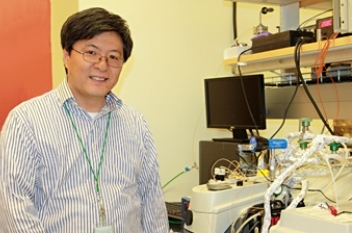
Prof Kyeongjae Cho of materials science and engineering believes he has the answer. “Common lithium-ion batteries only have a certain capacity,” he says. “And most people want to use their phones for a longer time.” We’ll go with that!
Lithium-sulfur batteries have long held promise of 3-times longer battery life between charges. But sulfur is a poor electrical conductor, and soon becomes unstable. Researchers previously tried having lithium coating on one electrode, and sulfur on the other. However, sulfur was still unstable, and over-insulating. Therefore they knew they needed a new lithium battery advance in sulfur technology.
What Dr. Kyeongjae Cho and Colleagues Discovered
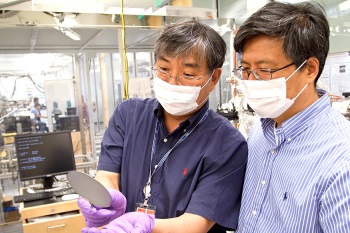
The University of Texas team developed a new way of applying the active sulfur coating. They added two atoms of the material to molybdenum. This is a metallic element often used to strengthen and harden steel.
They found a coating thinner than silk in a spider’s web improved stability, and compensated for lower sulfur electrical conductivity. This was the sulfur composite lithium battery advance we were waiting for, the Prof told EurekAlert. “That’s the breakthrough. We are trying to suppress side reactions [now]. It’s a protection technology.
“We are taking this to the next step and will fully stabilize the material. And bring it to actual, practical commercial technology,” he promised. The National Research Foundation of Creative Materials, and the Korea Institute of Energy Technology Evaluation funded the research.
Related
A Sulfur Composite Battery with 3 Times Higher Energy Density
Scientists Develop New Electrolyte for a Magnesium-Sulfur Battery
Preview Image: Prof Dr. Kyeongjae Cho


