We take a break from describing the main types of lithium batteries to ask the question ‘where is it from’. It has a pretty face in terms of the frequencies of light it can emit when excited. We will leave it there, as we are battery people and just want to know where we can find Lithium Li.

Looking for Lithium Li: The Needle in the Haystack
Lithium Li has a fiendish temper. It can catch fire and explode when exposed to air. In 1932, it played a role in the first human-inspired (if that’s the right word) nuclear reaction. Mother Nature knew a thing or two when she created Lithium Li. She hid it in crystal rocks and dissolved it in the ocean.

Science tells us Lithium is present in the stars, and in numerous plants, invertebrates, and plankton on earth.
We find it in a variety of countries in igneous rocks that were once lava or magma. It is also present in brine.
In fact, Lithium is our planet’s 25th most abundant element.
Our Lithium Lithium Sources
The easiest way to get hold of Lithium is to extract it from natural salt flats. Engineers turn these into dams and flood them with water to create lithium-rich brine. After the water evaporates, they have lithium-rich salt. There are environmental side effects some compare with oil sand extraction.
The Most Significant Uses for Lithium Li
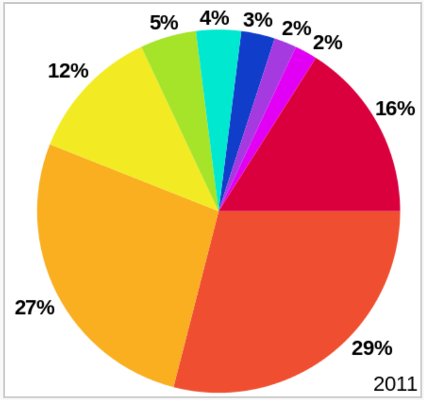
The main uses for Lithium are ceramics and glass (29%), batteries (27%), and lubricating greases (12%). Lithium Li also plays a role in continuous casting, air treatment, polymers, primary aluminum production, and pharmaceuticals. Will there be enough of it forever? No, we will start running out of it in ninety years’ time. We should find a green alternative.
Related