Detecting individual cases of COVID-19 early, and taking decisive action is the key to controlling spread. Discernible symptoms are often the first sign we have, and these are of the trigger for following up with diagnostic tests. University of Southern California (USC) has been modeling the onset of COVID-19 symptoms and reports a pattern.
Modeling the Onset of COVID-19 Symptoms in a Specific Order
The USC findings appeared in Frontiers of Health on August 13, 2020. The team detected a trend in a large sample of 55,000 patient records in China. The data suggests the typical order of symptoms is:
1… First, fever, cough and muscle pain
2… Next, nausea and / or vomiting
3… And then finally, diarrhea …
These three groups can appear as batches, or emerge in series, a professor of medicine not affiliated to the study told CBS News. However, not all patients experience the same set of symptoms. Hence it’s important to note the USC researchers were modeling the typical onset of COVID-19 symptoms in a data set.
The Critical Factor that Discriminates the Symptom Series
COVID-19 may have slipped through the cracks in the beginning, because of overlaps with other illnesses like flu. However, the University of Southern California researchers noticed a trend when modeling the onset of COVID-19 symptoms.
They believe the critical discriminator is the order in which the symptoms appear, in particular the later gastro-intestinal infection. “The first two symptoms of COVID-19, SARS, and MERS are fever and cough,” they explain. However the upper to lower gastro-intestinal infection in COVID-19 sets it apart.
The University of Southern California team detected another interesting detail. A tiny percentage of patients developed diarrhea first All of these subsequently experienced pneumonia or respiratory failure. Hence early onset of gastro-intestinal symptoms may predict more aggressive disease.
Related
Six Different Clusters of COVID-19 Symptoms
Severe COVID-19 Symptoms to Watch For
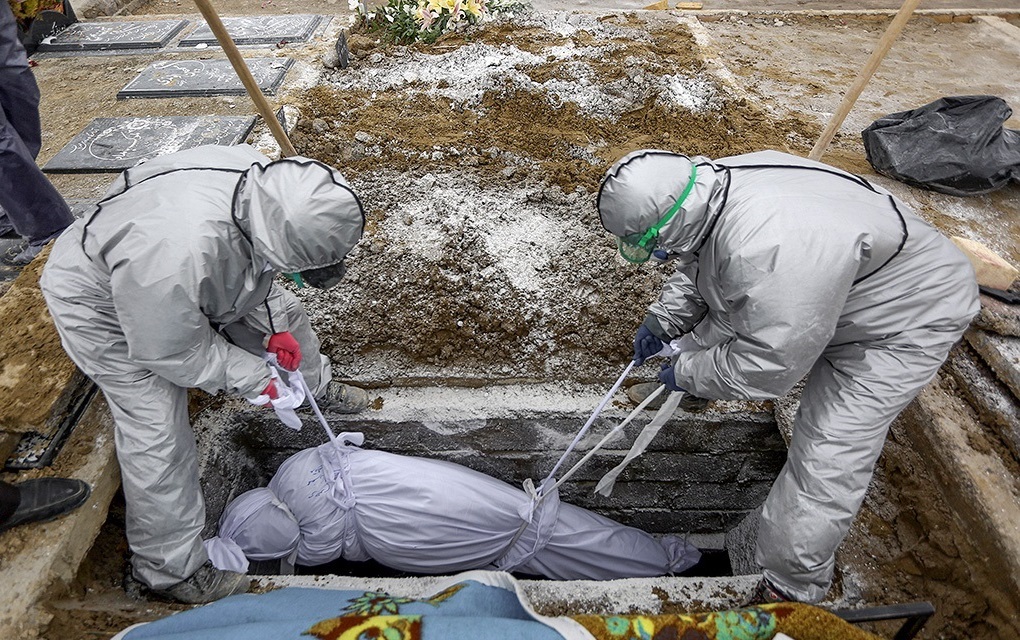
Preview Image: COVID-19 Funeral in Iran