It can be tempting to think we can mix any battery with what we already have. Manufacturers often supply them in packs of four while many devices want only three. This can mean we end up with odds and sods in the bottom kitchen drawer. Buying more of the same does not often solve our problem. Why then do battery manufacturers compound this by telling us any battery will definitely not do?
Is “Any Battery Will Not Do” Just a Marketing Strategy?
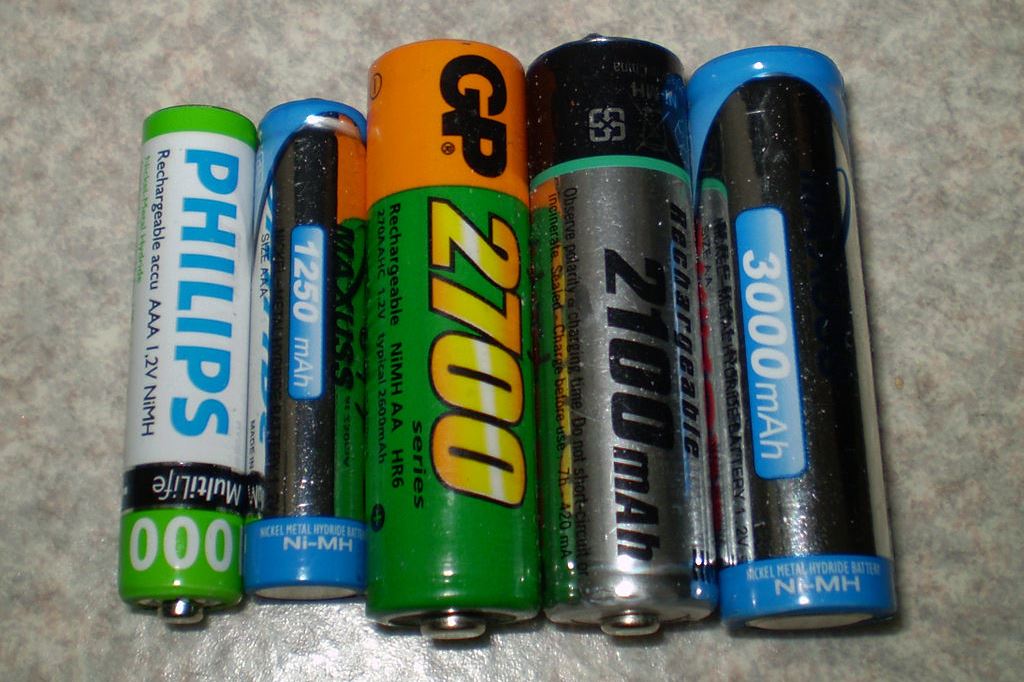
Battery manufacturers go through a great deal of trouble to distinguish their brands. They know consumers like to stay with what they know and trust. Therefore, they spend billions of their dollars – well ours actually – telling us to trust them even more.
However, consumer resistance still kicks in when we compare the prices with Asian wannabee disruptive brands. After all, any battery of a particular size like AAA looks the same to us. A cabbage is a cabbage, we tell ourselves as we start using up what we already have in the bottom kitchen drawer.
Batteries Do Not Work the Same as Cabbages
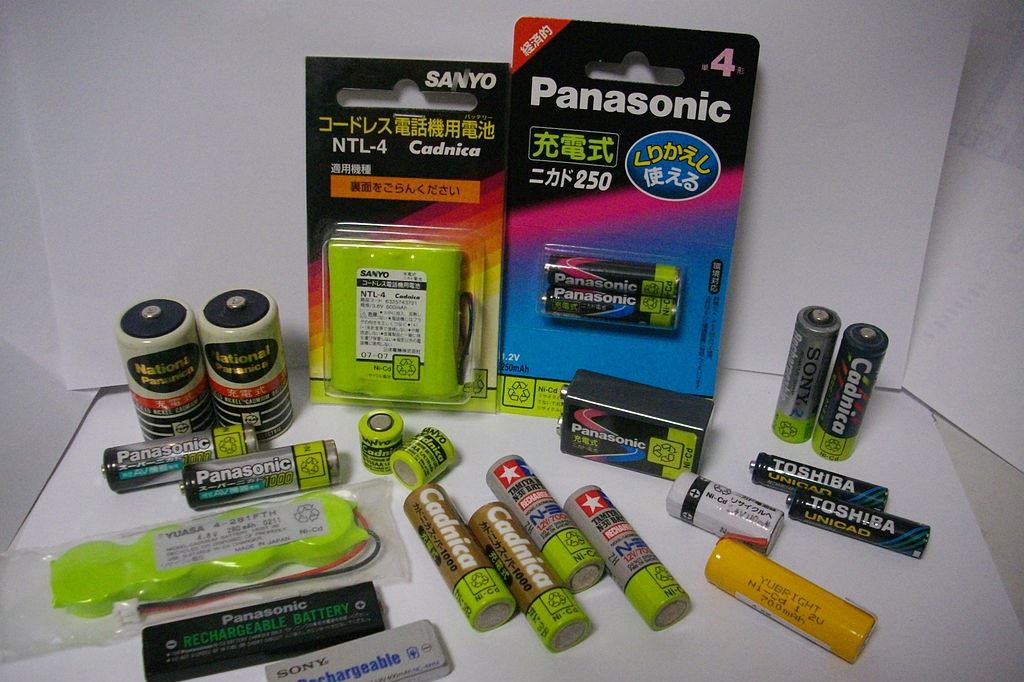
You see, individual battery manufacturers are trying different routes towards making the best batteries ever. This is not necessarily a crusade. Most simply want to maximize their turnover and profit. Hence, each brand contains subtly different chemicals and stabilizers.
To complicate matters further, any battery brand does not have precisely the same voltage as the next one. This may be down to design specification, or the result of aging. Now mixing different voltage batteries sends confusing signals to electronic circuits inside devices.
Moreover, if one of those batteries has less charge remaining than the others it can stress and spring a leak. The dollar we saved by mixing batteries, can cost far more in consequences of acid spills. That’s why any battery is not the same as all the other ones on the market.
Related
Should We Mix Different Brands of Batteries
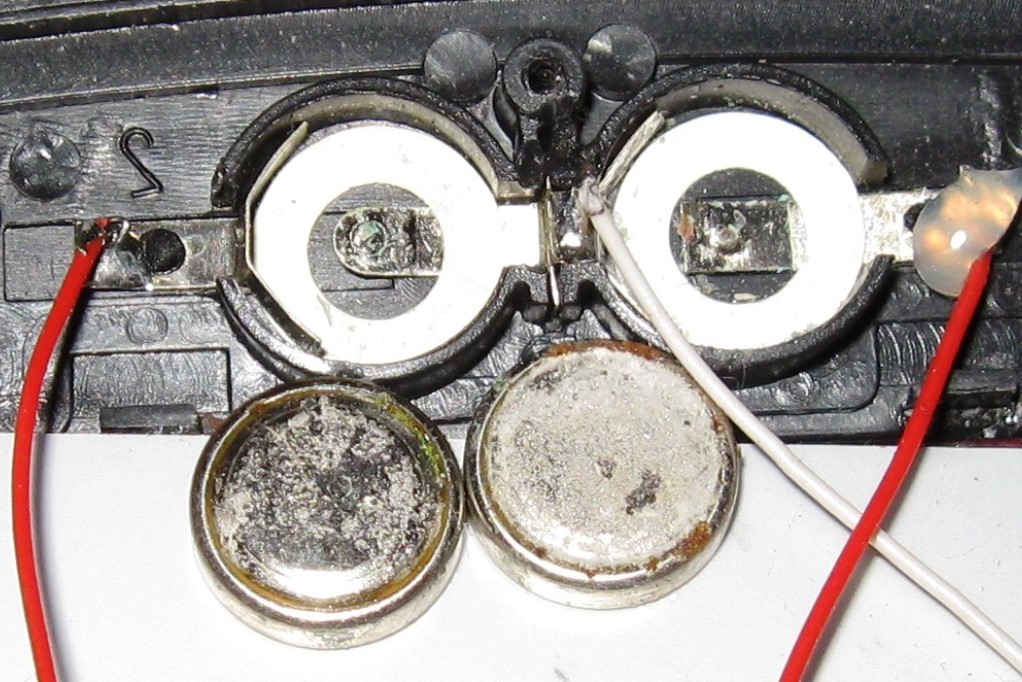
Preview Image: Mixing Button Cells May Lead to This