Canada may be one of the most sovereign, united country on the planet, but it doesn’t mean that it stands entirely united. There is palpable disconnect between Southern and Northern Canadians – one that stems from a tumultuous, almost uncomfortable history.
It’s no secret that governments have tried their hands at a balancing act between contemporary and First Nations needs. When it comes to climate change, the story is no different.
Global Warming in Canada:
The threat of global warming is here and we’re more than feeling it. When it comes to shifting seasons and increased flooding across the country, we’re apt at dealing with these changes, albeit it often sends a jolt on our often-nonchalant backs. For Canadians living in the Canadian arctic, the picture is much different – in part because of its natural environment, but also because of the isolation it experiences from inland governments.
Nunavut is simply not prepared to deal with the impacts of climate change. There are a number of challenges that the government faces in addressing climate change, but also because it simply lacks the human resource capacity to do so.
Do We Really Know What’s Up?
How often do Southern-Canadians think about their Northern neighbours? It’s not as though we’re reading about Nunavut or the North West Territories on a frequent basis. When there is such minimal attention on the Canadian arctic, it’s hard to sustain the attention of stuffy white coats, or in the chambers of Ottawa.
Many times projects that are slated in the books don’t ever see the light of day. In fact, they might start groundwork efforts, but they aren’t finishing them. We can barely deal with global warming, so where does that leave those in the isolated, tundra of northern Canada?
It Keeps Warming:
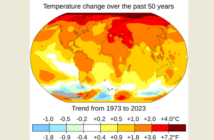
Between 1948 and 2016, the average temperatures in Nunavut increased by up to 2.7 C. That’s no small number. In fact, the impacts have been devastating on how locals store their foods, transport themselves, and lead their daily lives. When you live in a climate where ice facilitates lifestyle and then that very ice becomes threatened, it almost becomes unfathomable.
Travelling for fishing and hunting, which are integral to lifestyle and food sourcing is threatened at alarming rates. Imagine if we walked into our local grocery store only to find that the shelves were almost empty? That would spark outrage almost instantaneously. It’s almost comical to think that the same isn’t evoked by the realities plaguing those in the Arctic.
So What?
It’s important to understand that people who live in climates of ice aren’t able to do much with what they have. They rely exclusively on parts of the country that have accessibility to basic necessities like food. You can’t exactly grow crops under ice. All of this may seem absurd, but clearly not enough to actually change anything. We’re writing this to hopefully inform people of these challenges, hopefully sharing this information can effect some changes.
Related: