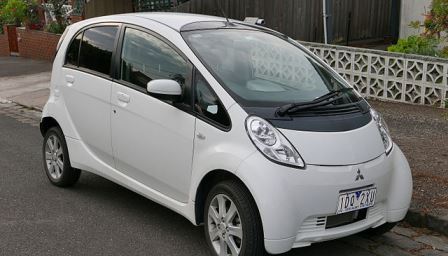
The idea may sound bizarre, but unusual circumstances call for desperate measures. The 2011 Fukushima nuclear power station disaster escalated when safety batteries ran out. There was no electricity, and no petrol or diesel either in tsunami-ravaged areas. Mitsubishi Motors brought its experimental i-MiEV electric hatchback into one of the worst areas to ferry people to hospital. After its engineers realized how much food was spoiling in home freezers, they wondered if they could power a house with an electric car to preserve frozen food.
A Simple Inverter Box to Power a House with an Electric Car
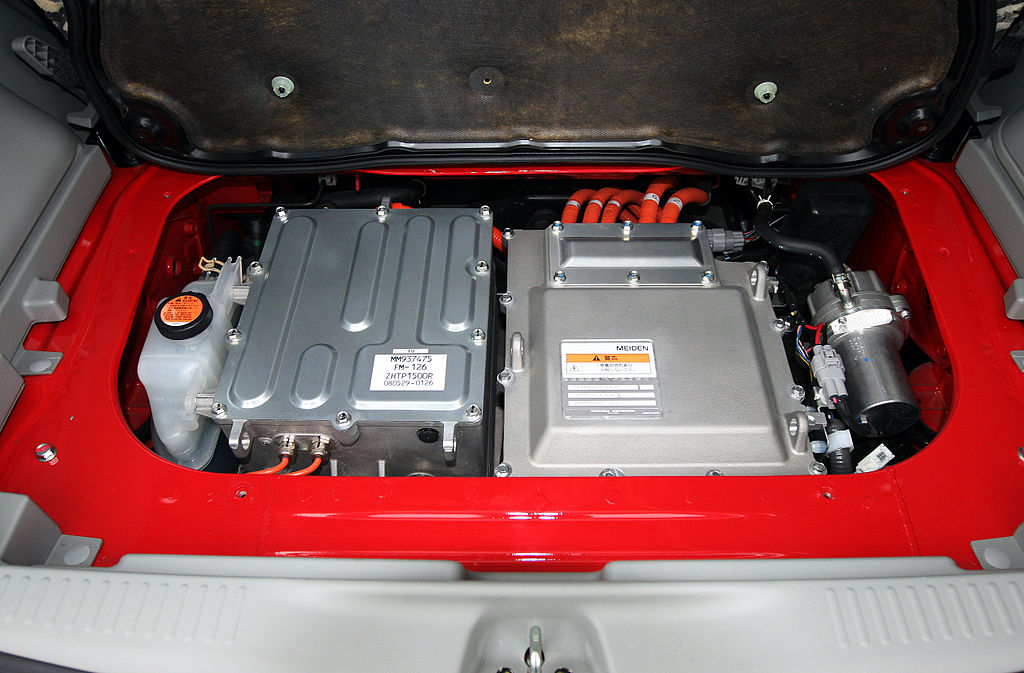
The Mitsubishi Motors engineers came up with the idea on installing a suitably-rated inverter in the electric car. This could convert battery DC to mains AC, which might have incalculable value in emergency clinics and other situations.
We have no idea whether they actually tested it, although they did develop the product later. Presumably, they charged the car at a remote site, and then drove it to a destination. Then they would be able to power a first aid station with an electric car, until they had just enough capacity to return for a recharge.
More Useful Ideas for the Battery DC to Mains AC Inverter
Imagine a household with no battery backup or renewable energy. If the utility advised an overnight maintenance outage – and they had an electric car – they would be able to keep their refrigerator and freezer running.
Sure, we are looking ahead to when electric cars could be universal. But, we must, if we want to sustain our planet. The UK wants to be there by 2040.
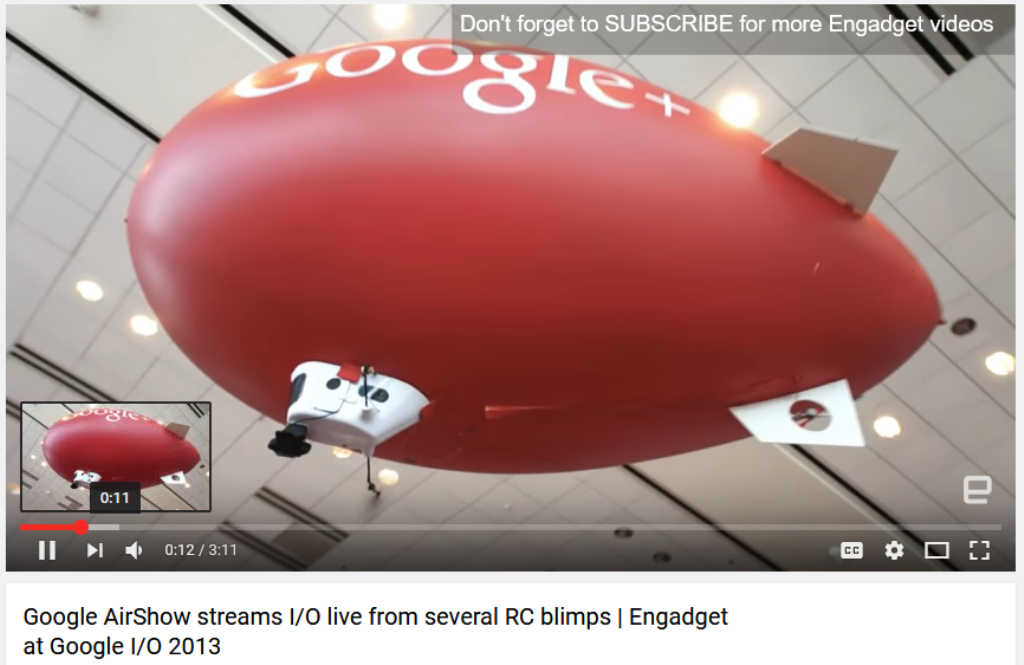
We can also think of applications in an emergency like a tornado, or an earthquake too that tripped the grid. Isolated families with an electric car and inverter might be able to power their house, and charge their smartphones. Then they could make contact with emergency services through temporary Google blimps flying overhead. That adds yet another essential service that needs batteries to work. We just need to get down and do it.
Related
Facebook Uses Batteries for More Social Media Fans
Using Solar Power to Cool a Home
Preview Image: 2010 Mitsubishi i-MiEV