A quick dive into the pioneering days of lithium batteries, tells us they have been around longer than we think. In fact, two scientists isolated the element in 1821, through electrolysis of a lithium oxide.
Things went quieter until a chemist explored lithium’s electrochemical properties a half-century later. This lead to the discovery of its low density, high specific capacity, and low redox potential. These ratings suggested that lithium would make a great battery anode some day.
The Pace of Lithium Batteries Quickens
W H Harris picked up the baton at University of California, Berkeley in 1958. There, he examined the potential of lithium to dissolve in various, non water-based electrolytes.
Harris noticed something particularly interesting in those pioneering days of lithium batteries. The metal formed a passivation layer.
This layer prevented direct reactions between the lithium and the electrolyte, while allowing lithium ions to cross through.
This discovery quickened interest in commercially viable, primary lithium-ion batteries. Yet, surprisingly, this pioneering discovery did not qualify W H Harris as the father of lithium-ion batteries.
Pioneering Days Begin to Accelerate
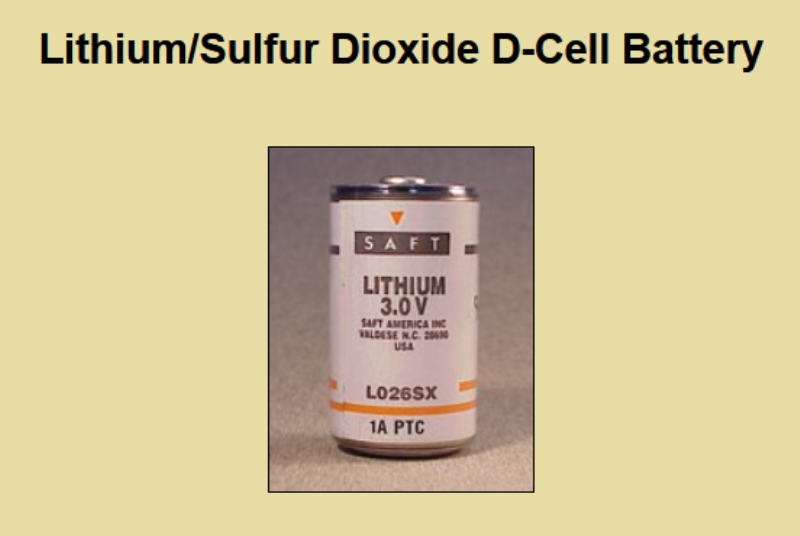
The pioneering days of lithium batteries changed gear a few years later. Non-aqueous, single-use three-volt lithium-ion primary batteries were available after the late 1960s. Their cathodes included:
- Lithium sulfur dioxide (1969), followed by lithium–polycarbon monofluoride in 1973.
- Lithium–manganese oxide, for rechargeable solar pocket calculators (1975).
- Lithium–copper oxide batteries (late 1970s) still in use for high volumetric density.
Lithium-ion batteries were on the doorstep, with the lithium / Iodine-polyvinylpyridine batteries that followed shortly for use in pacemakers. The pioneering days of lithium batteries were over. John Goodenough and his lithium-ion battery were waiting in the wings.
More Information
Lithium-Ion Battery History & Functions
Goodenough’s All-Solid-State-Battery Cells