Molten salts are solid at room temperature but become liquid when hotter. Table salt is the most commonly known one, although recycling batteries with molten salts is something we seldom hear of.
We have breaking news to share that comes to us direct from Argonne National Laboratory in Illinois. Scientists there have responded to the urgent need to recycle lithium-ion batteries and recover expensive metals.
Using Molten Salts to Recycle Lithium-ion Batteries
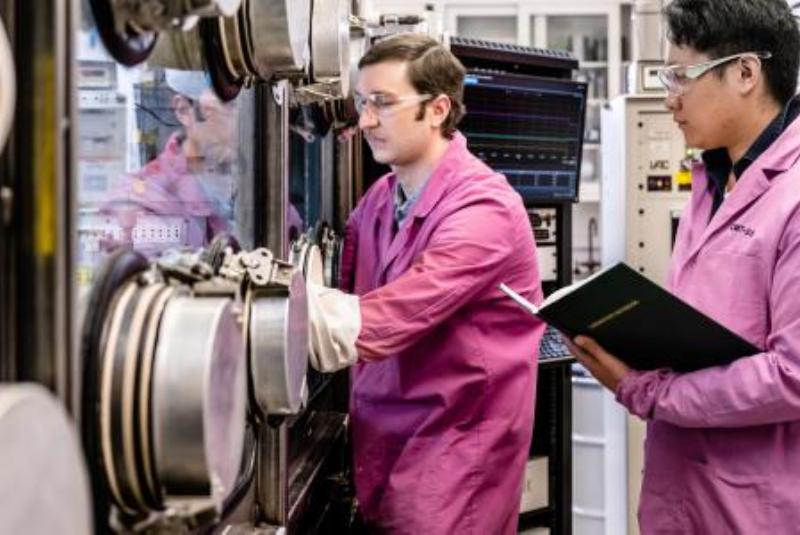
A team of Argonne scientists have trialed a new approach to recovering expensive metals from used lithium-ion batteries. They applied molten salts to extract metals from battery cathodes, that helped store and release electrical energy.
The precious metals include valuable cobalt, manganese, and nickel. The scientists hope their novel approach will promote more affordable batteries. This, while also creating a local source for Americans who currently import the metals.
Argonne’s approach to recycling batteries with molten salts, involves using electricity at moderate temperatures in a form of pyro processing with heat. In plain English, this means they applied appropriately high temperatures to the battery cathodes.
More About Argonne’s Molten Salt Method
The researchers used two types of molten salts that melt at manageable temperatures, and can tolerate the moisture in some battery materials:
- The first of these used a mixture of lithium hydroxide and potassium hydroxide salt at about 280 degrees Celsius (536 Fahrenheit). This dissolved the metals in the cathode, so the scientists could recover them using electrolysis.
- The second approach used a lithium hydroxide-lithium chloride salt mixture instead. This removed the lithium and oxygen from the cathode. The team then used electrolysis to recover the lithium.
“We’ve developed a method that is not only efficient, but also adaptable to the challenges of recycling lithium-ion batteries,” a team member explains. “This approach could significantly reduce the cost of recycling lithium-ion batteries.”
More Information
Thermally Engineering Battery Recycling