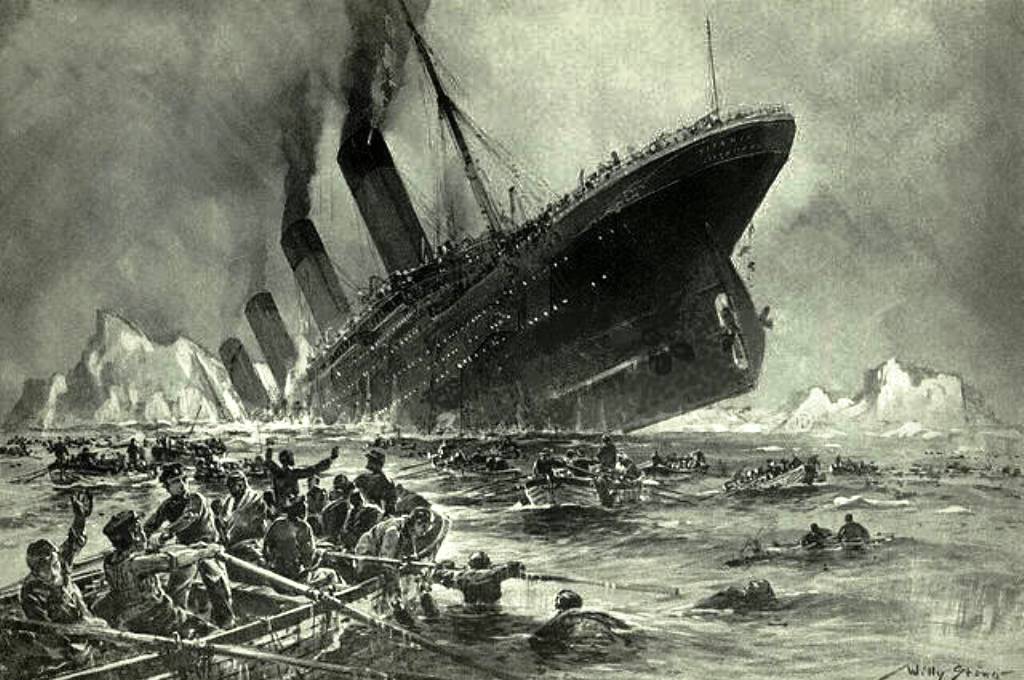
Human beings are not omnipotent or all-powerful. Reviewing progress through time reveals mighty warships sinking on their first voyages, and commercial disasters like Windows 8. Not to mention wars-to-end-all-wars that achieved the exact opposite effect. A software developer and pilot ripped the Boeing 737 Max to shreds on April, 24, 2019 in Money Maven. We thought we would share his thoughts which are not necessarily our own.
Did the Boeing 737 Max Disguise Radical Change?
Gregory Travis begins by citing an unnamed pilot for a ‘major airline’. “Everything about the design and manufacture of the Max was to preserve the myth that it’s just another 737,” that pilot claims. “Re-certifying it as a new aircraft would have taken years and millions of dollars,” he continues.
“In fact, a pilot licensed to fly the 737 in 1967 is still licensed to fly all subsequent versions of the 737.” Gregory Travis adds scathing words about “the arrogance of software developers unfit to write airplane code” while reviewing progress reports by investigators. If you want to know what it’s like to be in any aircraft that’s stalling, he says, stick your hand out the window of a car.
Did Boeing Cut Corners? Reviewing Progress by Investigators
The original 737 had small engines beneath the wings by today’s standards and these easily cleared the runway. Those in the Max were so large that the clearance was becoming dangerous. So Boeing moved the engines forward and well in front of the wings.
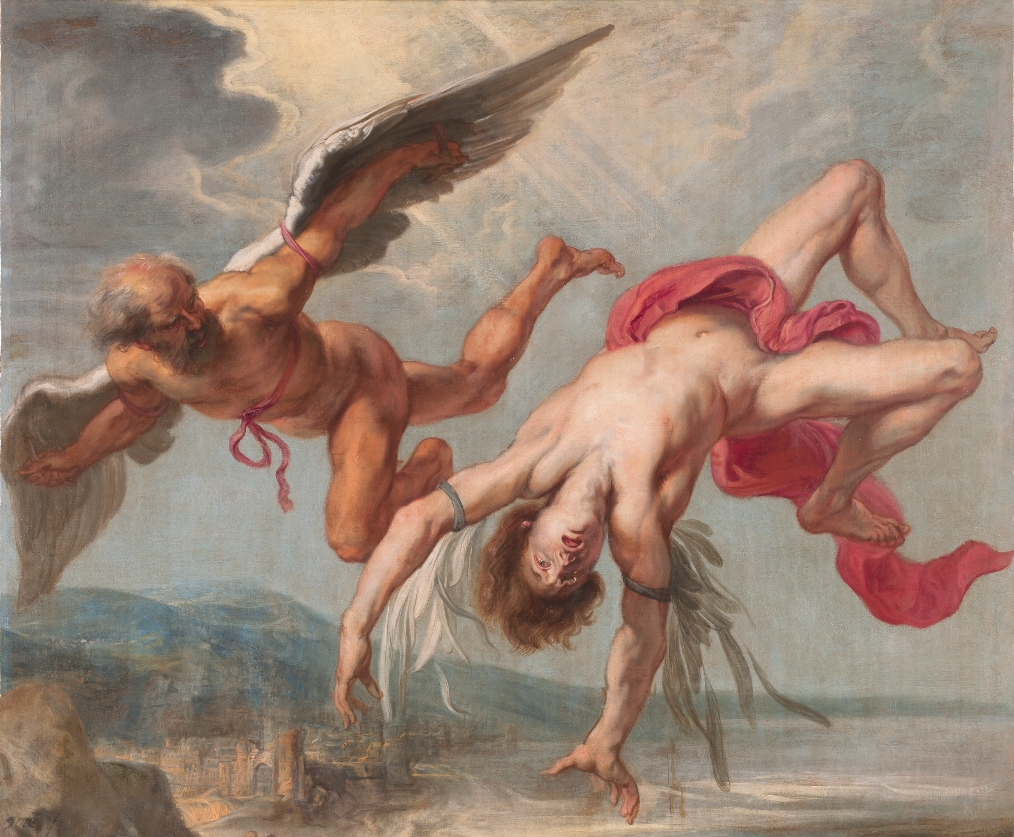
This modification produced a natural tendency to pitch up under power, and stall when pilots cut power, hence the new maneuvering characteristics augmentation system (MCAS). The rest is tragic history. The Ancient Greeks have a legend of a mortal called Icarus who flew too close to the sun on wings of birds’ feathers. The heat melted the wax joining his wings, and he fell to earth and died.
The electric car industry does not need tragedies like the 737 Max setback. We need to be careful not to embrace new batteries and their technologies too eagerly without reviewing progress objectively first. We must test them to breaking point and not look past their failures to get to market sooner.
Related
Tesla Autonomous Robo Taxis Get Traction
Suppressing Lithium Battery Fires: EU Update 8
Preview Image: Boeing 737 Max Showing Engine Positions