The South Dakota School of Mines and Technology is a public university in Rapid City, South Dakota. The town inherited its name from Rapid Creek. The Sioux named this Mni Lúzahaŋ Otȟúŋwahe for the multiple swift waters in the stream. However, the university has diversified and now offers degrees in sixteen engineering and science fields.
New Battery Directions for South Dakota School of Mines
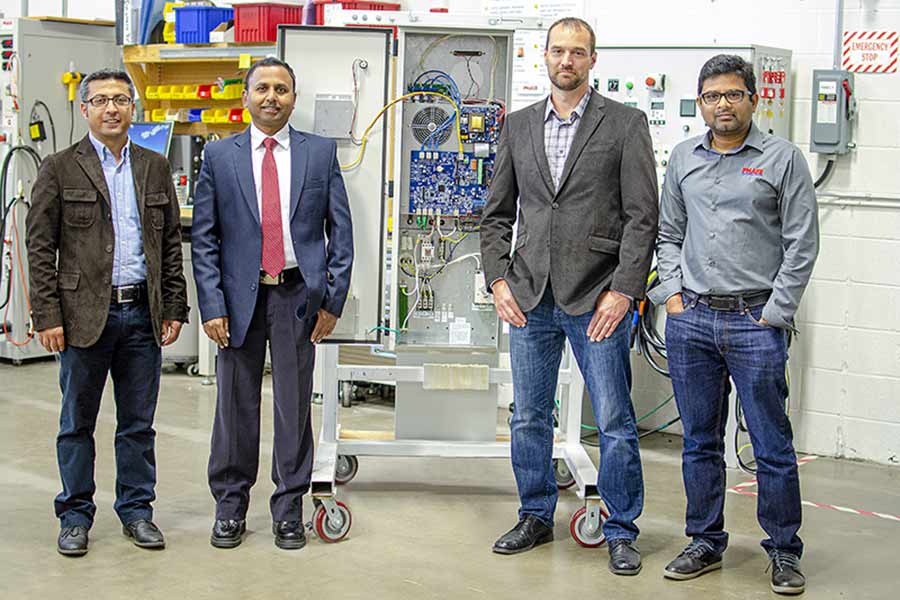
South Dakota School of Mines and Technology developed an in interest in solid state batteries in 2016. Because that was the year of recall of half a million hover-boards and the exploding, burning batteries in the Galaxy Note 7.
The U.S. lithium-ion battery market may reach as much as $90 billion by 2025. However, an associate professor of chemistry and applied biological sciences, and electrical and computer engineering at the university, remains skeptical. “The reality is, conventional lithium-ion batteries are not safe or reliable,” says Alevtina Smirnova. She therefore intends creating “a reliable and safe solid-state battery without the flammable electrolyte” according to a press release.
A CEPS Possibility Comes True at Rapid City
The Centre for European Policy Studies (CEPS) is a Belgian think tank focusing on the challenges Europe faces. Therefore, green energy is an obvious topic the School of Mines and Technology wishes to exploit. As a result, Alevtina Smirnova is establishing a Center for Green Solid-State Electric Power Generation and Storage (CEPS). Her university will act as the hub.
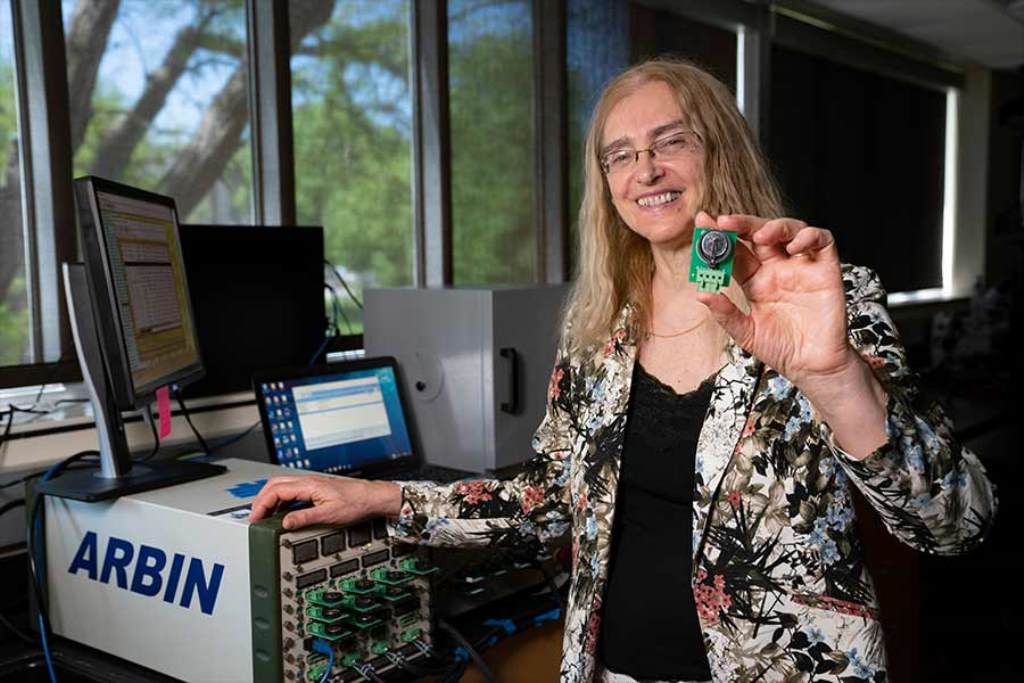
Furthermore, she plans to develop non-flammable, solid state batteries able to operate in a broad temperature range. The end goal is batteries with open-ended charging cycles that are eco-friendly and suitable for mass energy storage. The university already has a $60,000 planning grant from the National Science Foundation. A progress-evaluation meeting took place on September 12 to 13, 2019.
South Dakota School of Mines and Technology is now seeking three business partners each contributing $50,000. If National Science Foundation approves CEPS for full funding, then the project will have 10 to 15 years to become self-sustaining.
Related
Solid-State May Potentially Replace Lithium-Ion
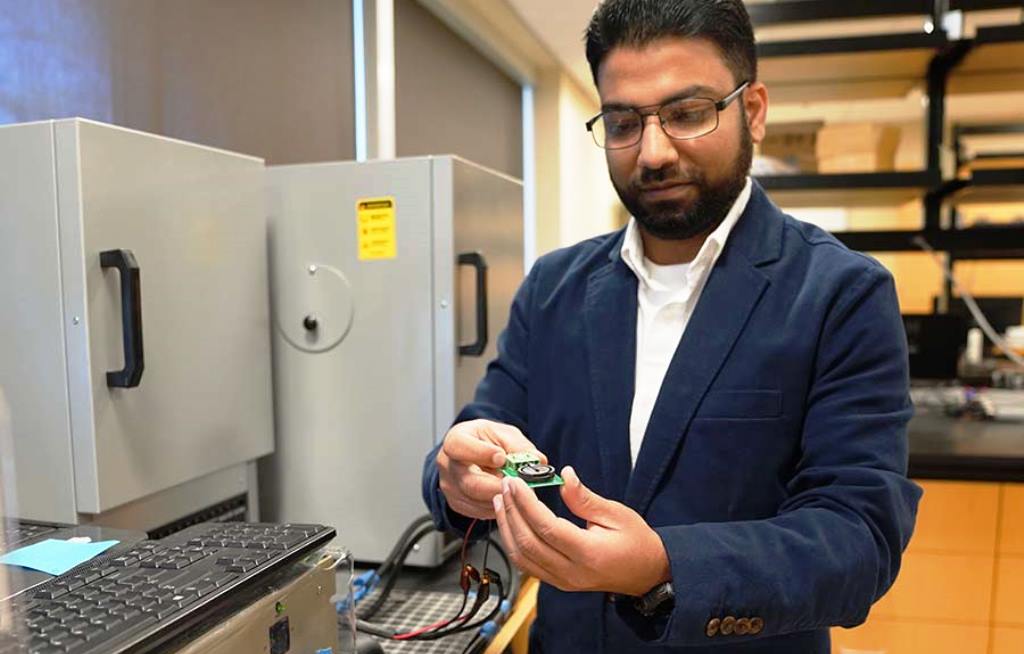
Preview Image: Project Team Member at Work