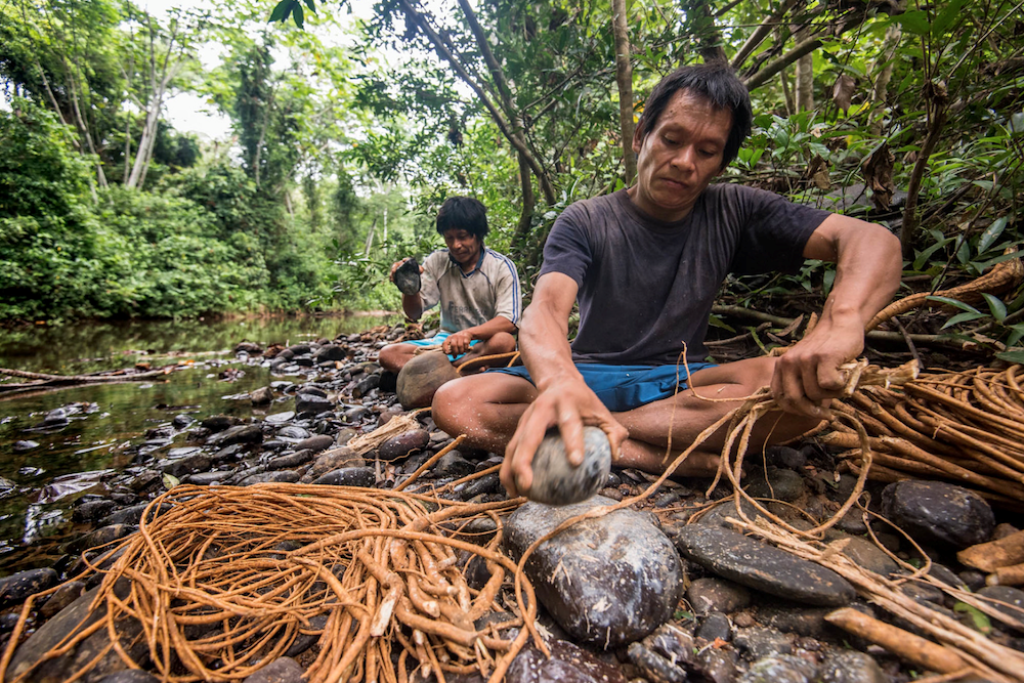
The indigenous Matsigenka native communities live in high jungles on the eastern seaboard of Peru, and on the flat lands below. They are largely self-sufficient through horticulture, hunting, and gathering. Their personal names define them in terms of their position in the family hierarchy. Technology is invading their paradise, to the extent they collected two tons of spent batteries from the Peruvian mountains this year.
Alto Urubamba Community Environment Project
The Matsigenka people’s achievement took place within the broader Alto Urubamba community-environmental monitoring program. This project enriches environmental surveillance through involving indigenous communities, according to the Noticias Abientales website where we found this story.
However, the authorities did not randomly choose the Matsigenka people to collect two tons of spent batteries from the Peruvian mountains. They singled them out because they live in an area of high diversity, with a rich array of species, genetic variations, and ecosystems in ancient rain forests.
The Imperative Driving the Peru Battery Project
People living in tall buildings in cities have strategies to soften the effects of planet warming. The indigenous Matsigenka native communities in Peru’s tropical rain forests have only themselves to rely on.
The Matsigenka removed spent batteries from the Peruvian mountains, because they know the consequences first hand. They understand what will happen to their livelihoods, if biodiversity crumbles around them.
How Do You Remove Spent Batteries From Mountains?
The Matsigenka mountain people believe that we are all responsible for our own destiny. There’s nothing like living in a mountain jungle for that truth to sink home. And so they enlisted the support of environmental monitors watching over the eco health of the Machiguenga communal reserve where they live.
This intercultural and participatory approach paid dividends. The tribes people removed spent batteries from jungles, rivers and farms. Two tons of them went to recycling centers for processing. This demonstrates to the people in the cities, that protecting our environment is a priority we ought to share.
More Information
World’s Lost Tropical Forest: A Far More Serious Issue
Battery Mining In An Island Paradise