The race between supercapacitors and batteries to win the energy stakes is heating up. Supercapacitors have found new wind. Batteries are struggling to keep up, but they do have a large fan base that keeps buying them in huge numbers. The main differences between the devices are capacitors’ faster charging and discharging, compared to batteries’ delivering higher density over longer periods.
How Supercapacitors and Batteries Work
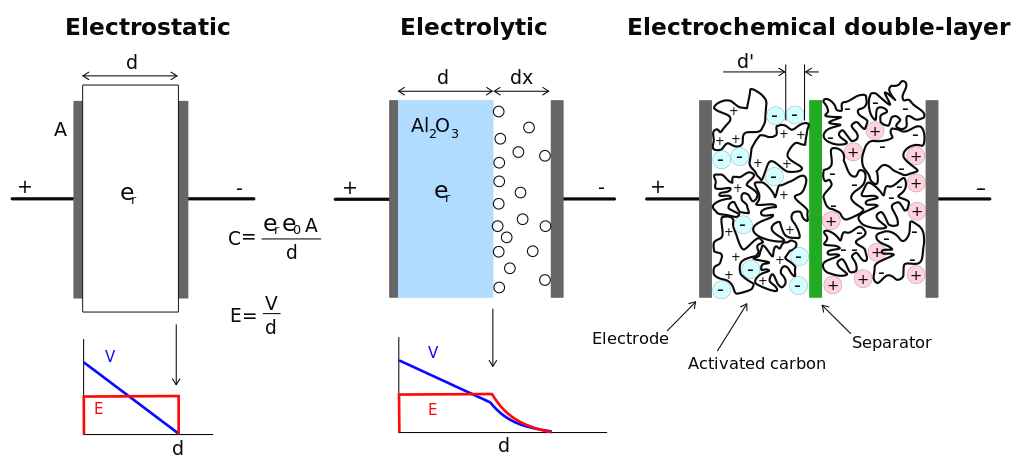
All capacitors have two conductive plates with a dielectric between. This transmits electric force without conducting it, while providing temporary storage for the charge. A supercapacitor uses an electrolyte with a thin insulator in the middle, instead of a dielectric.
An inbound charge accumulates ions on either side of this insulator, effectively a double charge. This stored energy discharges almost instantly, when a circuit connects the two conductive plates of either capacitor type. Where this supplies a factory tool, the capacitor almost instantly recharges itself for the next task.
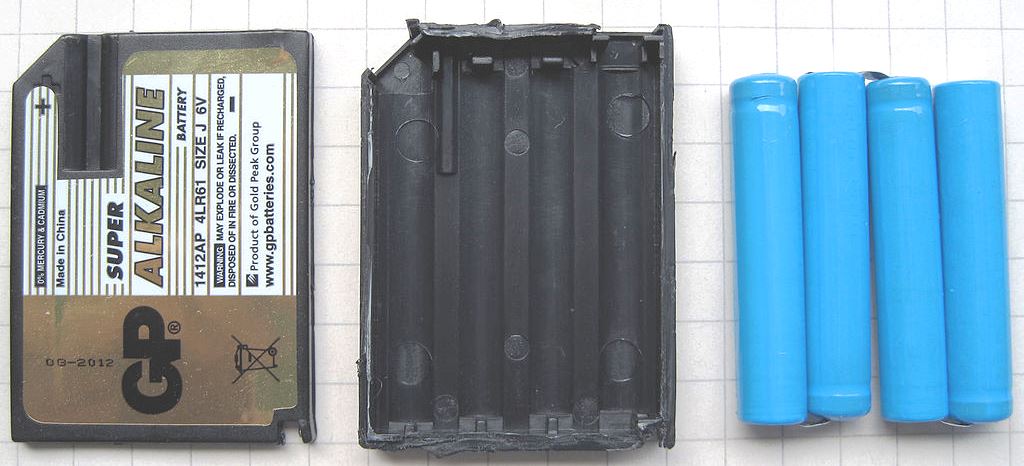
Batteries, as we should know well by now, come in different types according to their chemical composition. All cells comprise a positive terminal and a negative terminal, plus an electrolyte that enables them to exchange ions to store energy.
When a circuit connects the two terminals, electricity flows through a device while ions exchange in the opposite direction. This process may continue for hours, days, or even weeks before the battery needs a recharge for the next round. One of the big differences between supercapacitors and batteries is the time replenishment takes.
Do Supercapacitors and Batteries Share a Destiny?
We have seen so much happen in our industry in the past few years, we can’t provide a straight answer. Researchers are working towards faster charging, longer lasting batteries. Others are striving to develop greater storage in supercapacitors.
Perhaps someday the two technologies will merge. How about a hybrid supercapacitor-battery? Now that sounds a really cool idea.
Related
Supercapacitors Disrupting with New Polymer
Redox Flow Batteries Could Come of Age
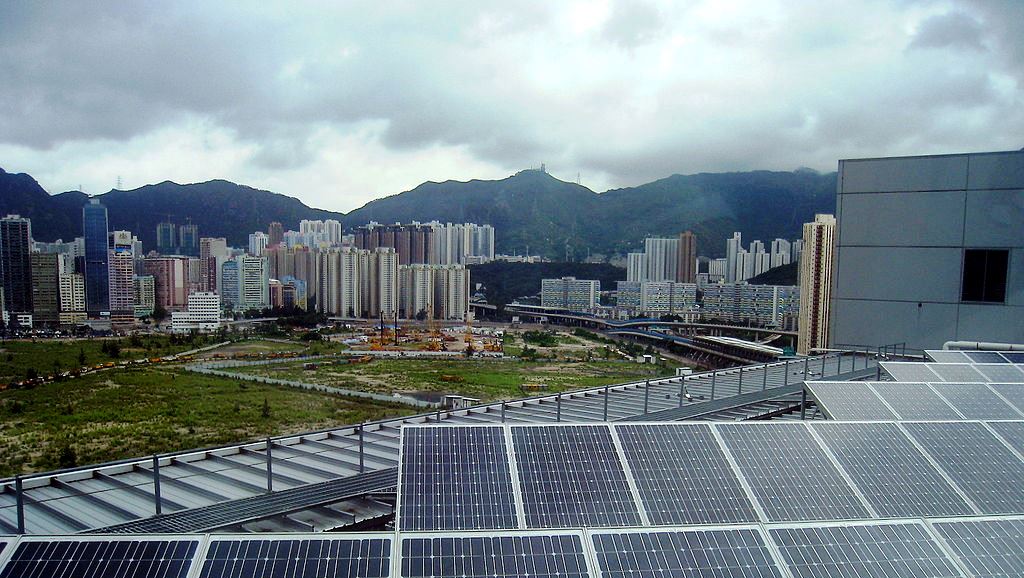
Preview Image: Photovoltaic Array (WPcpey)