The number of people visiting Antarctica via cruise ships continues to soar, placing increased strain on its fragile ecosystem. Ecotourism is essential to the preservation of Antarctica’s natural land, but is often not employed by travellers.
What is Ecotourism?
The International Ecotourism Society defines ecotourism as: “responsible travel to natural areas which conserves the environment and improves the welfare of the local people.” Since there are no permanent communities on Antarctica, conservation is at the forefront of environmental agendas. The travel industry may be responsible for selling this eco-practice, but it’s not exactly adhering to its standards.
Standards of Ecotourism:
- Conscientious behaviour that places low-impact on the natural environment;
- Appreciation of local cultures, and their natural biodiversity;
- Support for local conservation efforts;
- Sustainable benefits for local communities.
The Problem with Cruising:
Cruise ships are problematic because they emit toxins into bodies of water and off shore. Cruise ships that carry more than 500 passengers cannot allow landing for everyone. Only 100 visitors are allowed to dock off shores for preventative measure. It also reflects the threats that global warming has on the country and its species, who rely on their bodies of water for food.
Scientists believe that visitors can inadvertently introduce invasive species like rats, insects and plants that can lead to devastation in frozen landscapes.
Potential drowning is another problem. Many of the vessels that travel through Antarctica are not equipped to deal with icebergs and other harsh weather conditions.
Notable Incidents:
In 2007, over 150 passengers and crew members on a cruise were rescued after an iceberg created a hole in the vessel, causing it to sink. It also leaked large quantities of oil into the ocean.
In 2009, over 100 people were trapped on a cruise ship, which had to be evacuated because it was stuck near an Argentinian naval base.
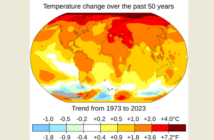
That same year, a 40-kilometre ice bridge that linked a shelf of ice (that was the size of Jamaica) to two islands in Antarctica melted. Thinning of the ozone layer that first appeared around 30 years ago.
Visitors are Few and Far Between:
Antarctica remains the world’s least visited tourist destinations because of its extreme weather. It is only suitable for visits between November and March. In 2015-16, the continent had only 38,478 visitors. Since 1969, the average number of visitors has increased from a couple hundred to over 34,000 annually.
Activities in Antarctica are regulated by the Antarctic Treaty for environmental protection, which often ends up at the hands of people who don’t employ their environmental standards.
What Makes Tourism Hard to Govern:
Antarctica is the only continent without a government. Several nations have tried to claim their ownership on Antarctica’s ice sheets without avail. The Antarctic Treaty of 1959 claimed that there would be no credence to those claims. The treaty ended potential conflicts regarding ownership.
While military and mining activities are prohibited under this treaty, scientific expeditions are open to those who want to carry out research. This leaves Antarctica susceptible to exploitation, leading to much of their current woes.