

The weather has featured in conversations about the COVID-19 strain of coronavirus since the pandemic began. We hope the danger of spread eases this summer, but fret over next winter’s chilly fingers reaching out. Virologists and climatologists have been researching the effect of weather on the rate of spread. We decided to catch up on what we now know.
Seasonal Variations and the Effect of Weather on the Rate of Spread
Hardly three seasons have passed since COVID-19 knocked on our door. Science therefore has to rely on what we know of previous coronavirus outbreaks. While the weather does not have a large impact, SARS-CoV-2 spread does appear to slow on warmer summer days.
However, there is a counter point from seasonal allergies from pollen in spring. These also cause upper respiratory responses, and they can mimic more serious upper respiratory tract infections. This makes the effect of weather on the rate of spread tougher to isolate.
Finding specific warning signs for COVID is one of the biggest challenges says Dr. Iahn Gonsenhauser. He is chief quality and patient safety officer at Wexner Medical Center at Ohio State University.
Comparing Allergies, Colds, the Flu and COVID-19 Infections
Initial symptoms are similar for the virus, a common cold, the flu, and an upper respiratory tract infection in the early stages. The best distinguishing feature is the likelihood of a direct contact with an infected person Dr. Gonsenhauser told NBC4.
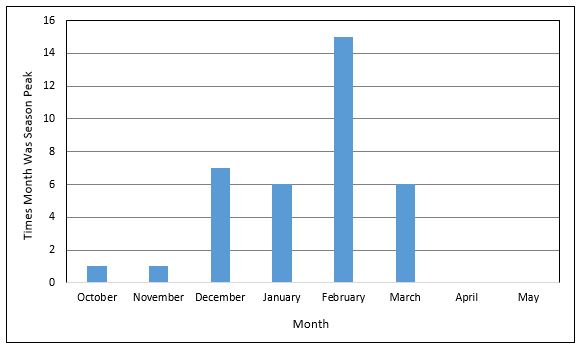
While the effect of weather on the rate of spread is not a direct factor, there is evidence of a correlation between the two. The incidence of viruses causing respiratory infections is higher in cold months.
Therefore it’s reasonable to expect a reduced frequency of infections, as we move from winter into the warmer summer season. And this this would naturally result in a slowing of the total number of cases and transmissions, Dr. Gonsenhauser advises.
Related
More Young Adults Positive in South Carolina
Advice for Beach Goers during Virus Spread
Preview Image: Flu Activity in United States


