The incubation period of COVID-19 remains a deep concern. This is the period between when someone contracts a virus, and their symptoms show. The incubation period is an average five to six days. The actual range is between three and thirteen days according to Harvard Health Publishing. This is the flip side of a negative COVID-19 test that shows clear.
How Safe Are We Actually with a Negative COVID-19 Test?
The short answer is we simply do not know. We may feel healthy. But we may be part of a small but growing population that spreads the virus without knowing it. Those innocent people may be at our church meetings or a birthday party. This means we have to be street wise.
The Atlantic’s science correspondent Sarah Zhang stresses the importance of being cautious, even if we have a negative COVID-19 test without showing symptoms. She cites a study of the coronavirus outbreak in China. The researchers estimated 44% of secondary infections occurred at the pre-symptomatic phase. This happened in settings with ‘substantial household clustering’.
Isolating People When They Are Sick May Be Insufficient
Communities that only isolate symptomatic patients may not be doing enough. So says Benjamin Cowling, who co-authored the study according to The Atlantic. He believes pre-symptomatic infections keep the epidemic going, which is of great concern.
So what is the solution to this new challenge? We know of no watertight test identifying 100% of pre-symptomatic COVID-19 cases. We therefore still have to rely on our own resources.
The person we love and trust may be a coronavirus carrier. It may also be us. The Federal Drug Administration confirms a negative COVID-19 test does not rule out the possibility of an infection. The watchword therefore continues to be remain vigilant.
Related
More Young Adults Positive in South Carolina
Advice for Beach Goers during Virus Spread
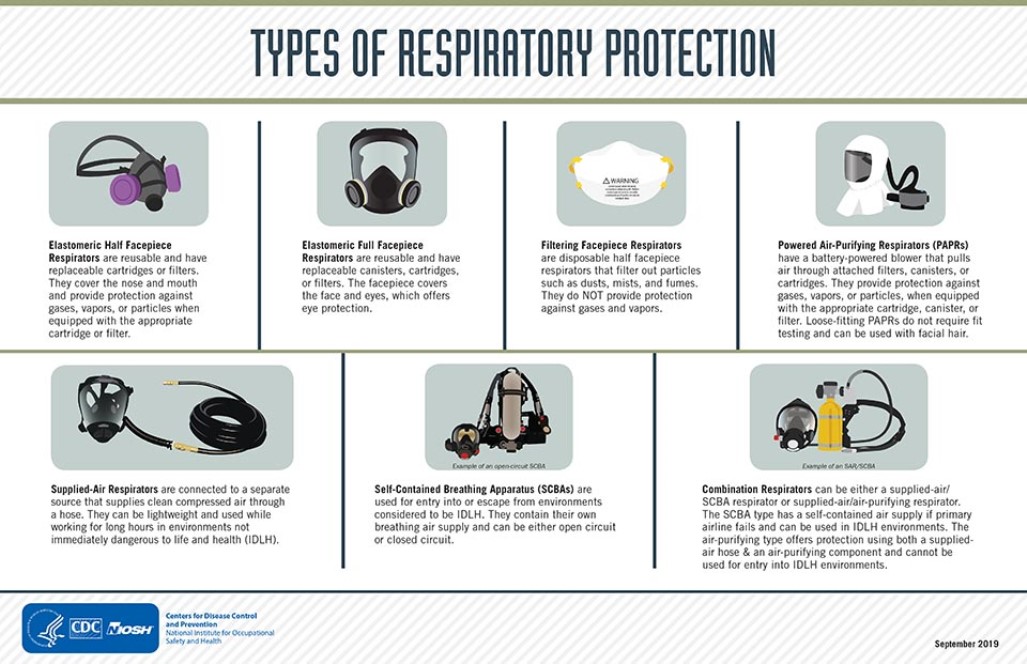
Preview Image: Various Types of Respirators