

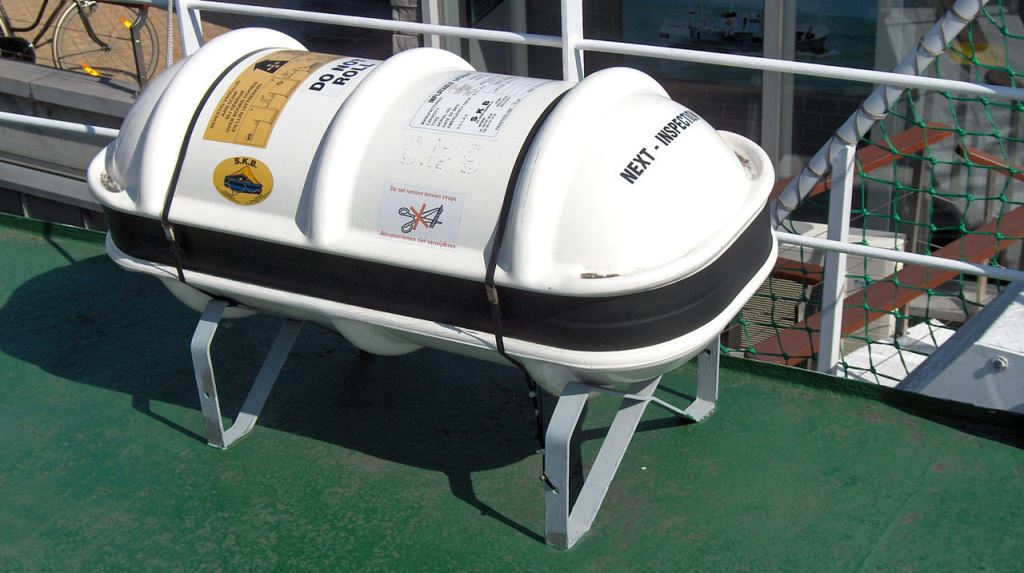
It is hard to believe mighty ocean liners once plied the seas without lifeboats, or with insufficient numbers. In 1870, the parliamentary secretary to the board of trade in England denied the need for them at all. “Lifeboats would encumber the decks, and rather add to the danger than detract from it,” he said. There was no energy storage on lifeboats when the Titanic sank in 1912. The survivors were on their own.
How Did a Third of Passengers Survive Titanic?

Passengers and crew took to the lifeboats, or leapt into the water as Titanic began to sink. They had only the air in their lungs to inflate their lifebelts. And blow their whistles to link up with other survivors.
The lucky few on lifeboats used energy in their muscles to row towards people in the water, and assist.
Over fourteen hundred people died that night in the freezing Atlantic after they depleted the energy in their bodies. Countless questions have been asked how this could have happened. The answer is sadly human arrogance and greed.
Energy Storage on Lifeboats on Modern Ships Today
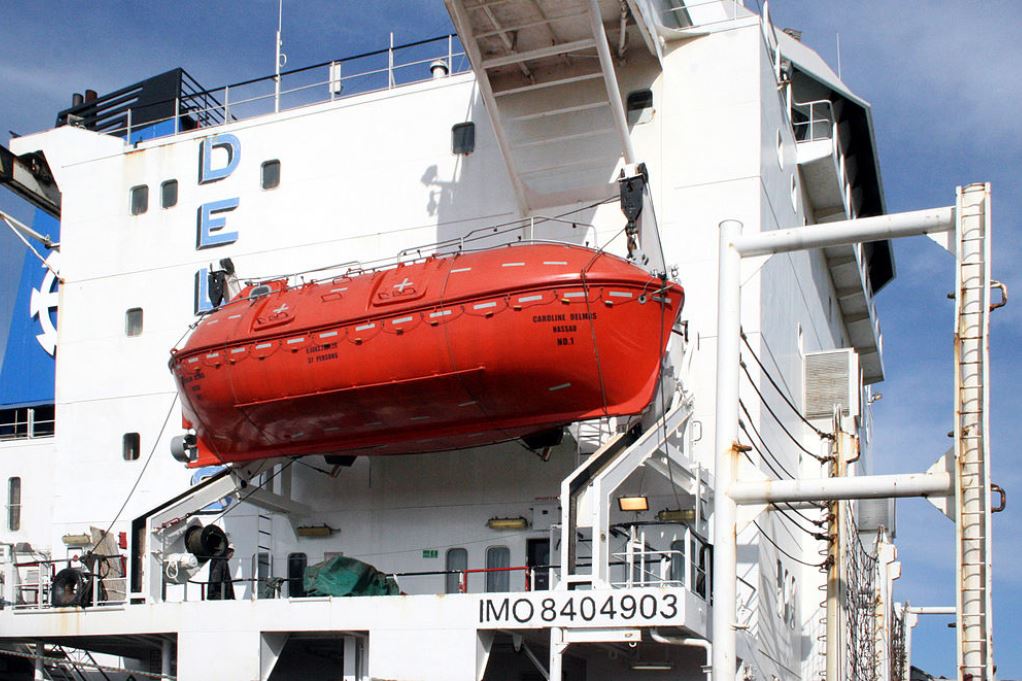
Thankfully, there are now sufficient lifeboats on almost every ship, although tragedies do still occur. Modern cruise liners have fully enclosed rigid ones, with small diesel motors for maneuvering when coming alongside other ships.
Lithium batteries provide energy storage on lifeboats for internal lighting, and external, automatically actuated light beacons. They draw on solar energy to recharge these, and operate their solar water stills. Naval warships and small pleasure craft use semi-rigid life rafts relying on compressed air to inflate them.
However, shipwrecked people need their own energy storage on lifeboats to survive weeks, or even months adrift. Here we think of physical strength conserved for essential tasks, and remaining warm especially at night. Finally, they need their mental resolve to keep going on a small boat, accompanied, if they are lucky, by rechargable solar batteries.
Related
Putting a Boat Battery To Bed for Winter
Equalize Your Boat Battery for More Power
Preview Image: Inflatable Life Raft Inside Hard Shell


