

There are two types of inverters to consider with solar-battery systems for home or business. Both convert direct current (DC) to the alternating (AC) electricity utilities supply. This technology enables users to run their appliances off DC battery power when the main power supply is down. They just need to decide which quality of output they require.
Two Types of Electric Inverters Doing a Similar Job
The AC electricity utilities supply – and our appliances use – alternates in both directions. Whereas the direct electricity we generate, and store in batteries flows in a straight line. Therefore, we need a cross-over inverter before we can use our own electricity. It’s crazy, mixed-up system, but we have to live with for now.
Electric power inverters convert DC electricity to AC electricity by rapidly switching current direction. When we charge our smartphone in our car the device does this for us automatically. Other electronic components ensure a clean repeating sine wave, when we feed solar power to the grid.
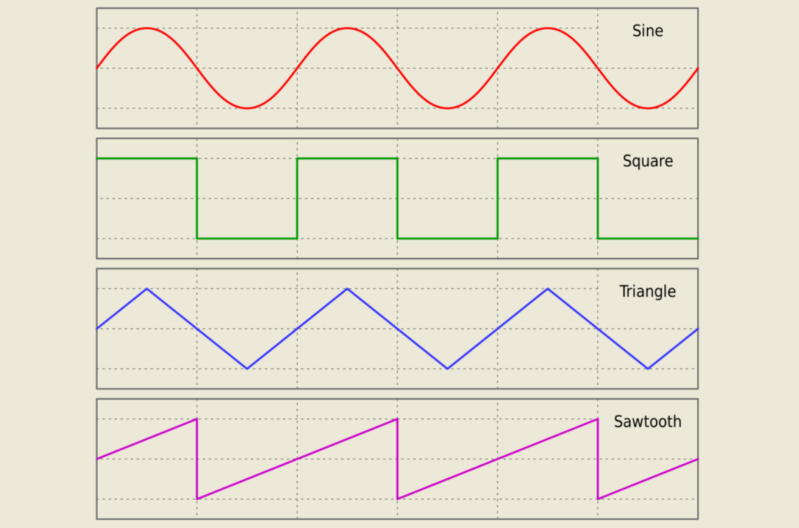
Sine waves are shapes and patterns different types of electric power inverters create over time. However, they do need to conform to specific voltages and frequencies our appliances can use. And also to utility grid specifications, if we wish to sell electricity back.
Two Types of Sine Waves for Different Applications
The quality of the sine wave depends on the inverter we use. In their raw state the waves are harsh, and produce a square rather than a rounded wave form. Therefore, we would need additional filters to refine the wave for more advanced applications.
This is where a cost-benefit decision comes into play. We may get away with modified square sign waves for crude applications. But we will definitely need a more advanced type of electric power inverter, if we want to deliver back to the grid.
Pure sign waves are also indicated for audio and video equipment. As well as appliances with AC motors, certain medical equipment including oxygen concentrators, and some battery chargers too. It follows it may make sense to purchase a decent inverter from the start. Rather than end up with a dose of buyer remorse.
More Information
Solar Energy and Critical Battery Storage
Distributed Energy Resources and Batteries


