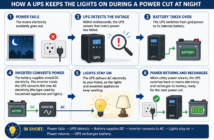
There are two kinds of electric current invented – or should we say discovered – by humanity. A lightning bolt is a natural hybrid version, but that’s material for another blog. Direct current flows consistently though a circuit for as long as the flow lasts. While the alternating version switches back and forth at regular intervals. How did we end up alternating between types of electric current this way?
Cons of Alternating Between Types of Electric Current
On first sight, it seems absurd to ignore efficiencies of scale, and have two types of electric current operating independently. However, that said we seem to have no immediate alternative to alternating between these types of electric current.
- The alternating electric current that flows from our wall sockets is relatively cheap to convert to different voltages. There is also less load-loss, when we transport alternating current through a utility grid.
- However, our batteries, computers, light-emitting diodes, solar cells, and computers use more stable, direct current. And there is some progress to eliminating those disadvantages.
How We Ended Up Alternating Between These Two
The two main electricity movers-and-shakers in the U.S. in the late 1880’s were Thomas Edison, and Nikola Tesla. Both of these men were after the honey-pot this new form of energy promised. Edison stole an early march with direct current. For a while there was no mention of alternating between types of electric current the way we do now.
But Tesla found a gap in Edison’s armor when he discovered converting to different direct voltages was complicated. And do he started pushing the idea of different strengths of alternating current, for utility transmission and household use.
Edison tried to manipulate public opinion by stating alternating current was dangerous. But in the end it was obvious that direct current cost significantly more. The electronic era increasingly demands direct current though, because it is more stable and predictable. And so the ‘war of the currents’ is far from over.
More Information
Selecting the Right Inverter for Your Home