Both main types of hearing aid batteries are small, yet they may have large, even life-changing benefits for their users. Making the most of them begins with choosing the best battery type for the particular wearer.
What to Consider When Choosing Hearing Aid Batteries
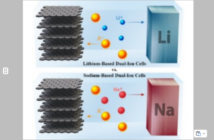
There are two main kinds of batteries available, those we can recharge, and single-use ones, which we should recycle. Many of the latest hearing aids incorporate lithium-ion batteries, which users can charge overnight.
RECHARGEABLE HEARING AID BATTERIES
Those rechargeable hearing aids could work for one whole day without requiring a recharge, but that depends on their user. Blue tooth streaming is energy-intensive, and may drain the battery down faster.
SINGLE USE, ZINC-AIR BATTERIES
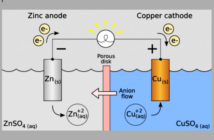
The second of our popular types of hearing aid batteries are single use, zinc-air cells of various sizes. They are only suitable for users with reasonable sight and dexterity for handling tiny batteries, although a carer could also help.
Zinc-air batteries may last for seven-to-ten days, depending on how hard they have to work. After that, the user must change them, and should hand them in for recycling. These batteries are popular since they are affordable, and easy to find in stores.
Extending the Life of Both Types of Batteries
Many users still prefer single-use hearing aid batteries, because they can carry spares that exchange quickly. Whereas rechargeable batteries can take many hours to replenish, and also need a power source.
Users can extend the run-times of both types of hearing aid batteries in several ways:
- Turning hearing aids off when they do not require them.
- Running on medium power unless ‘high’ is essential.
- Replacing older hearing aids that consume more energy.
- Avoiding streaming phone calls and music.
- Protecting hearing aids from humidity and heat.
USER MAINTENANCE OF HEARING AIDS
There are several things users can do that may reduce how hard hearing aids have to work, and how quickly their batteries run down. They ought to inspect the ear pieces regularly, and remove the accumulation of any ear wax.
They also need to dehumidify them weekly, to avoid the accumulation of moisture that could eventually seep into the battery.
To sum things up, there are two main types of hearing aid batteries. Both are worth considering. Both rely on well-maintained hearing aids. Treat them with consideration and both should last longer.
More Information
Great News for Hearing Aid Batteries
Hearing Aid Battery Life Extension Tips