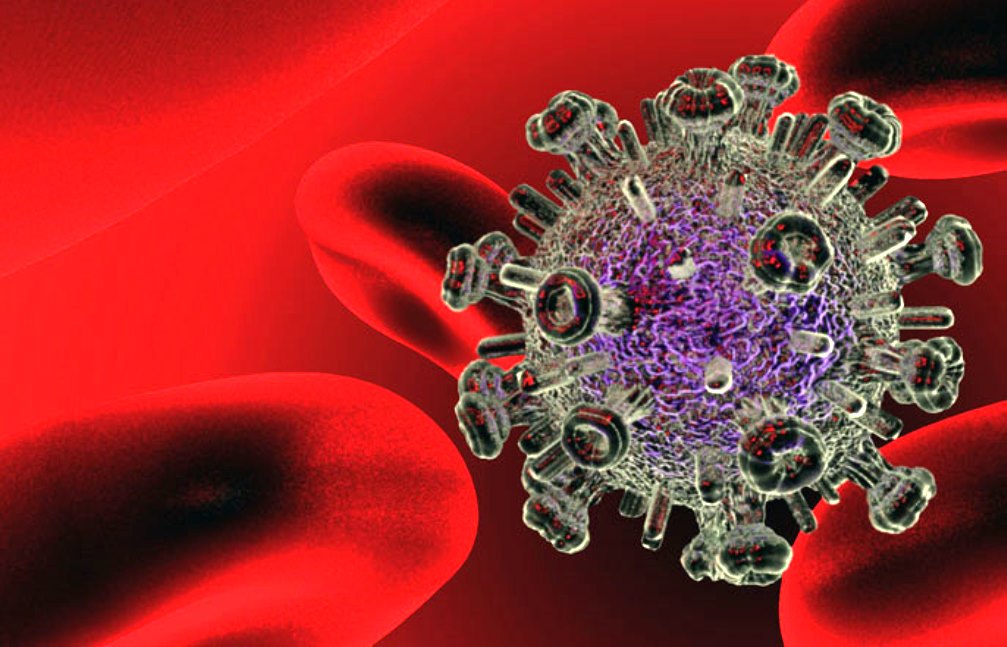
Before you adjust the magnification on your screen, you can’t see a virus in the normal sense. That’s because the largest ones are only a millionth of a meter (1 μm) across. Whereas human hairs are a whopping 17 to 181 μm thick. Notwithstanding this, viruses are tiny organisms with huge power as we are learning from the Covid-19 outbreak.
Viruses are Tiny Organisms but Deadly Parasites
Viruses are parasitic creatures. Parasites live on host species and obtain their nutrients at the other’s expense. However, a virus can only reproduce within the cells of host animals, plants, and bacteria.
Viruses are tiny organisms with huge power to attack the human population. Humanity has survived waves of influenza, polio, foot and mouth, smallpox, ebola, sars, mers and now coronavirus in living memory. However, the tiny organisms also have potential to cause catastrophic crop failures.
How Viruses Jump from Animals to Humans
Viruses are Not Actually Alive but They Can Jump
Researchers initially thought viruses were alive because they behaved like bacteria. Then in the 1930’s, they concluded they were biochemical mechanisms because they lacked metabolic systems to process food. However, this does not mean they are immobile.
Viruses may be tiny organisms the human eye can’t see, but they can ‘jump ship’ with lightning speed. Thir infection can pass via kissing, biting and intimacy according to NewsMedical.Net. They can also cross over via shared objects such as door handles and eating utensils.
We can receive them through contaminated water, or in body fluids through coughs and sneezes as well. We hope this information increases understanding of government regulations aiming to prevent this happening. Because we have to do everything we can to get our economies safely back on track.
Related
Contact Tracing Apps and Personal Privacy
Is This a Candidate Antibody for the Virus?
Preview Image: Human Immunodeficiency Virus
Video Share Link: https://youtu.be/xjcsrU-ZmgY