We write about polymers quite often nowadays, because they are part of the solution for solid-state batteries. A visitor wrote in and said, thanks for the the articles but what are polymers in batteries actually? That was the trigger we needed to revisit this topic, and so here goes…
What Polymers Are and Do in Batteries
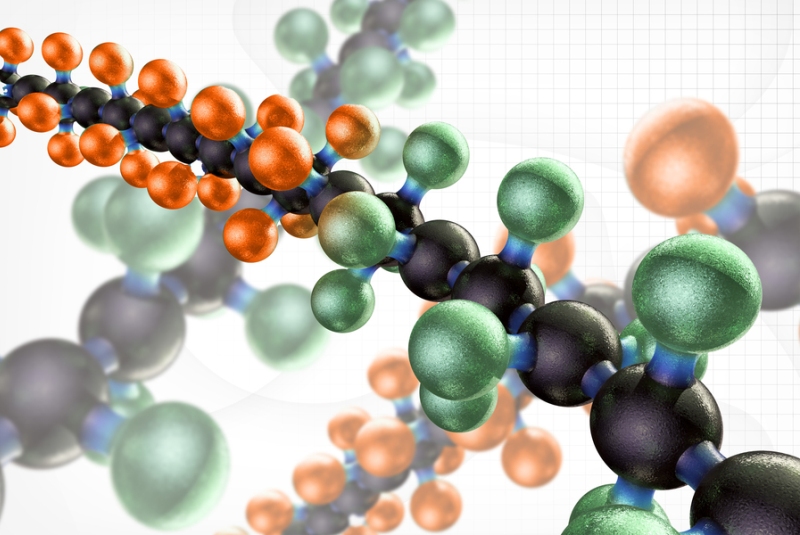
Polymers are long-chain materials, a bit like tiny strands of plastic. They help different parts of a battery work safely and efficiently. If you would like to imagine them as elastic rubber bands, then that’s a great analogy.
Charged particles called ions need to move between the electrodes inside a battery, for it to work. Polymers can facilitate this process. Sometimes, they form a soft, gel-like layer called a polymer electrolyte.
This layer allows ions to pass through while blocking electrons, keeping the battery stable and preventing short circuits. That completes our summary of what polymers are in batteries. But there is more to come.
Polymers Are More Than Ion Pathways
Sticky polymer materials also act as binders. In this role, they are adhesive materials that hold active powders in place on battery’s electrodes. Batteries would fall apart during charging and discharging without binders, making them a crucial role player.
But that’s not all that polymers do in batteries. Tiny polymer sheets may also act as separators. In this instance, they sit between the positive and negative sides of the battery, preventing them from touching.
So how do polymers do all these things so successfully? The answer lies in their flexibility and safety. They can bend, stretch, and resist leaks better than rigid materials, making them suitable for flexible batteries in phones, and wearables too.
More Information
Electrically Conducting Polymers Shuttle Fast