

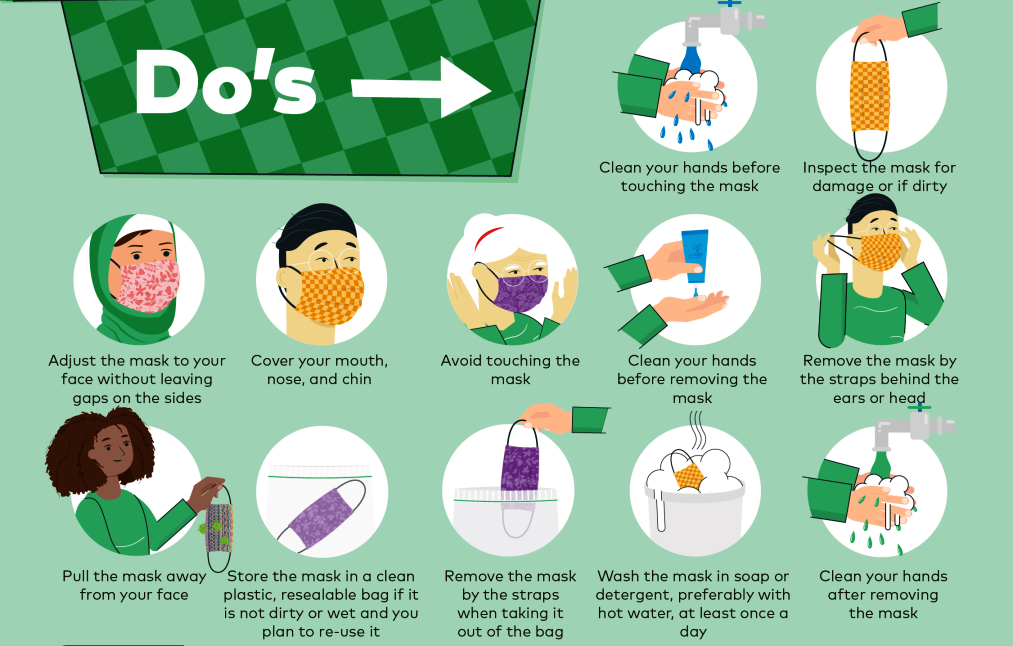
New knowledge crept upon us as the COVID-19 epidemic spread. We trade mysterious terms as if we are experts, but our knowledge is still incomplete. The boundary between non-medical and medical face masks is blurry. We are unsure which materials are best for the face coverings we make ourselves. The updated WHO tips for public use of face masks have cleared the air so to speak.
What’s in the WHO Tips for Public Use of Face Masks
World Health Organization (WHO) Director-General Tedros Adhanom Ghebreyesus confirms the new release is a summary of what we know. However, the WHO tips for public use of face masks contain an important new advisory. Healthy people should wear a face mask in infection hot spots, and / or where physical distancing is a challenge.

However, not all face masks are the same, especially when it comes to people over 60 with chronic health concerns. The WHO report examines the balance between breathability, and filtration of solid particles and droplets and defines acceptable standards for both.
Minimum Standards for Surgical and Non-Surgical Face Masks
Breathability is the difference in pressure across a mask as we inhale. Medical masks should score below 49 Pa/cm2, whereas non-medical ones must rate below 100 Pa. The World Health Organization rates the overall performance of masks in terms of their quality factor Q. Home-made masks should at least score 3 across that dimension.
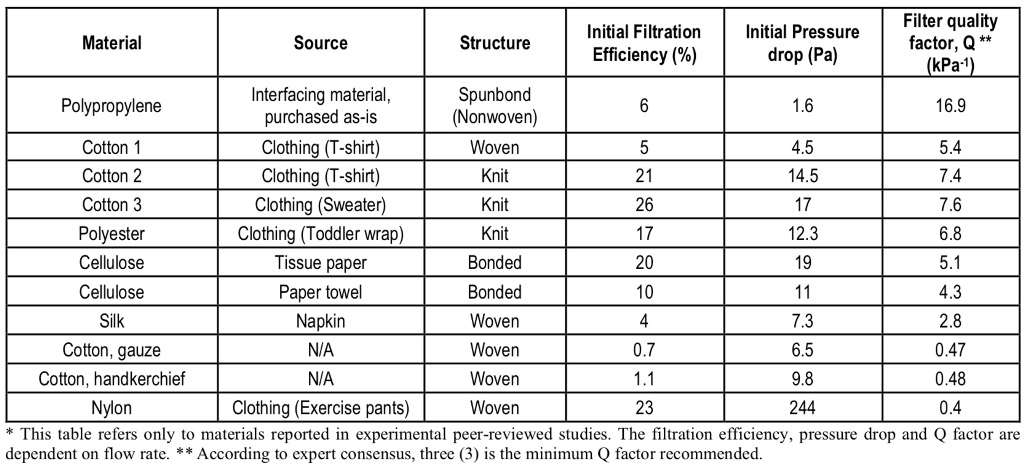
Finally, the WHO turns its attention to mask assembly. Ars Technica confirms how multiple layers improve effectiveness. Doubling up can improve this between two and five times depending on the fabric. In this regard, it’s interesting to note U.S. CDC recommends two-to-three layers of cotton.
When all’s said and done though, home-made and other face masks only help prevent us spreading the virus. The updated WHO tips for public use of face masks close by reminding us social distancing is necessary, to avoid catching the virus from other people.
Related
Two Billion Doses of an Adenovirus Vaccine
Remote Working is Not for All of Us
Preview Image: How to Wear a Non-Medical Mask Safely


