Did you ever wonder why early electric cars lost the race? They were already attracting attention before the twentieth century. For a time, they did appear to have a promising future.
Electric Cars Were Quiet, And Easy To Operate
They were quiet, easy to operate, and did not produce the smoke associated with steam-powered vehicles. Their rechargeable lead-acid battery made electric transportation possible. Improvements to battery plates increased their capacity, while better electric motors helped vehicles travel more reliably.
But Electric Car Batteries Were Heavy
Yet early electric cars lost the race for several reasons. A large amount of lead and sulfuric acid was necessary to store enough energy for useful journeys. This added weight, reduced the distance a car could travel, and made frequent recharging necessary.
Early electric cars were therefore really only suitable for short journeys in towns. They did not need complicated gear changes, and drivers could avoid the difficult starting procedures associated with some petrol engines.
However, Petrol Cars Began To Improve Rapidly
However, petrol cars began to improve rapidly. The introduction of electric starters removed one of the major inconveniences of gasoline vehicles. Mass production also reduced prices, making petrol cars more affordable to ordinary buyers.
Henry Ford’s Model T was especially important. Its low price and growing availability helped gasoline-powered cars reach a much larger market.
Electric Cars Also Faced Limitations When Charging
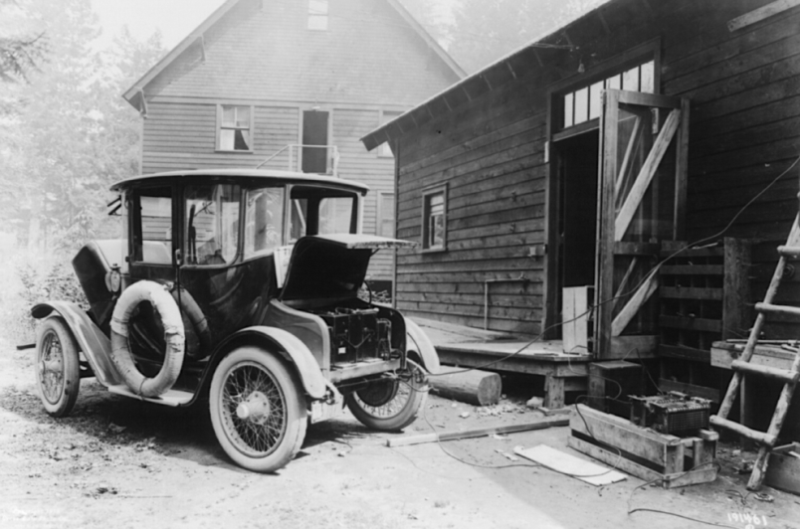
Electric cars also faced limitations with charging. A driver could not fill the battery in a few minutes at a roadside petrol station. Charging required time and access to electricity.
This Did Not Mean That Electric Cars Were Failures
Vehicles such as the Detroit Electric served customers who valued quiet travel and short urban journeys. But the combination of battery weight, limited range, charging time and competition from cheaper petrol cars made widespread adoption difficult.
More Information