Electric vehicles are multiplying in numbers with each passing day. As the number of EVs increases, the available options of charging these vehicles need to grow. There are mainly three options available.
Home Charging
The most common and easy way of charging the batteries of an EV is your own home.
Pros
People prefer to charge at their homes during the night, when their vehicles can be charged at a stretch for 8-10 hours. This is convenient and there is no queuing up.
Cons
Charging facilities need to be installed at home, which is quite costly and cumbersome. It also increases load on the grid during peak evening hours. The electricity bill is to be borne by you. Moreover, this option may not be too viable for people living in apartments, due to lack of space for installing and using charging station.
Public Charging
EVs can be charged at charging stations in your neighborhood. These charging stations may even be in public places like shopping malls, theatres, etc.
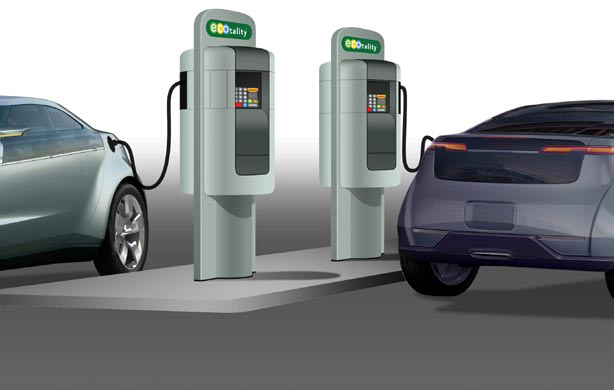
Image Courtesy: blogs.dallasobserver.com
Pros
You can recharge your car battery while on the move, as and when needed. This is especially helpful for long distance travelers (beyond 100 miles). You don’t need to bear the extra cost of installing charging facilities at home. If you are a regular, some stations provide you with rapid charging facilities and add on packages like a spare battery for temporary use while your regular battery is being recharged.
Cons
There aren’t that many public charging facilities. EV owners may have to wait for their turn as terminals are limited and every vehicle needs at least 2-3 hours of charging.
Workplace Charging
Workplace charging is the least used charging option but with maximum potential and scope. Employers may install charging facilities or rent out an area to a public charging company. This enables the EV owners to charge their vehicles at the workplace while the car is idle.
Pros
The vehicle gets charged for an average of 6-8 hours daily. It eliminates the fear of electric car battery running out midway and almost doubles the daily driving range of an EV. Workplace charging reduces the pressure on the electricity grid during evening peak load. Some employers provide this facility free of cost to their employees as a perk.
Cons
Apart from top corporations, very few workplaces are providing this facility at present. Since the charging time of EV batteries is longer, the turnover in the number of cars charged daily is low. Limited number of charging terminals at the workplace leads to only the early birds enjoying the benefit. It adds to the burden of the facility manager and may lead to frequent disputes among co-workers too.
All said and done, you have enough charging options available to you if you want to purchase an EV. So charging constraints should not stop you from going green and saying good bye to fossil fuel vehicles.
Related Posts:
Effect of Electric Vehicles on California Electric Grid