We have been reviewing Long COVID which may follow a third of primary infections, and affect younger people too. The syndrome has shades of the initial illness but may continue for six months. The commonest symptoms are persistent fatigue, and recurring headaches. Today, we consider some other symptoms of Long COVID, in the shadows that may follow the original disease.
Less Common Symptoms of Long COVID in The Shadows
The syndrome may strike us after we appear to recover, and tell friends it was a walk in the park. We have a 27% chance of developing attention disorder, and have difficulty concentrating. Other contenders could include hair loss (25%), breath shortness (24%), and loss of taste (23%).
However, these are not the only symptoms of Long COVID, waiting in the shadows if we refuse the vaccine. The virus could slip past our face mask if we are wearing one. Of course, it could also penetrate our defenses if we have a vaccine. But this would be 90% less likely and the symptoms should be milder.
Long COVID symptoms could also include rapid breathing / panting / loss of smell (21%) followed by hacking cough (19%). However, the syndrome could also haunt us with memory loss, nausea and hating the thought of food at 16%. We’ll leave the rest for you to imagine by following this diagram.

Long COVID is bad enough in terms of those stubborn symptoms we mentioned. But the longer-term economic implications could be worse, in terms of reduced productivity and an economic downturn that could take a decade to recover.
Just imagine losing your job because someone else refused the vaccine, and acted irresponsibly. COVID-19 is a community disease we suffer together. Think of this next time you wonder ‘what is all the fuss about’. Take care. Do what you can to stay healthy.
Breaking News
Would You Like Long COVID for Six Months
A Day Is a Long Time in COVID Vaccine History
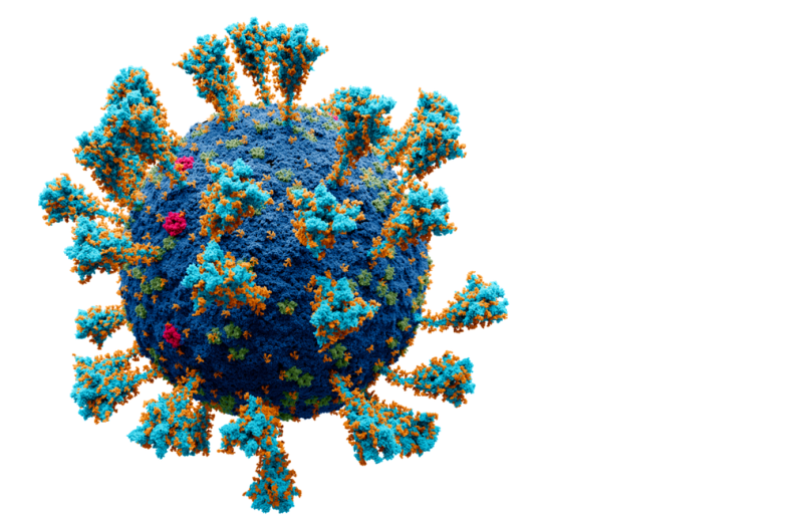
Preview Image: Anatomically Correct Model of the Virus
This preview image is considered the most valued one on Wikimedia Commons within the scope of theSARS-CoV-2 coronavirus.