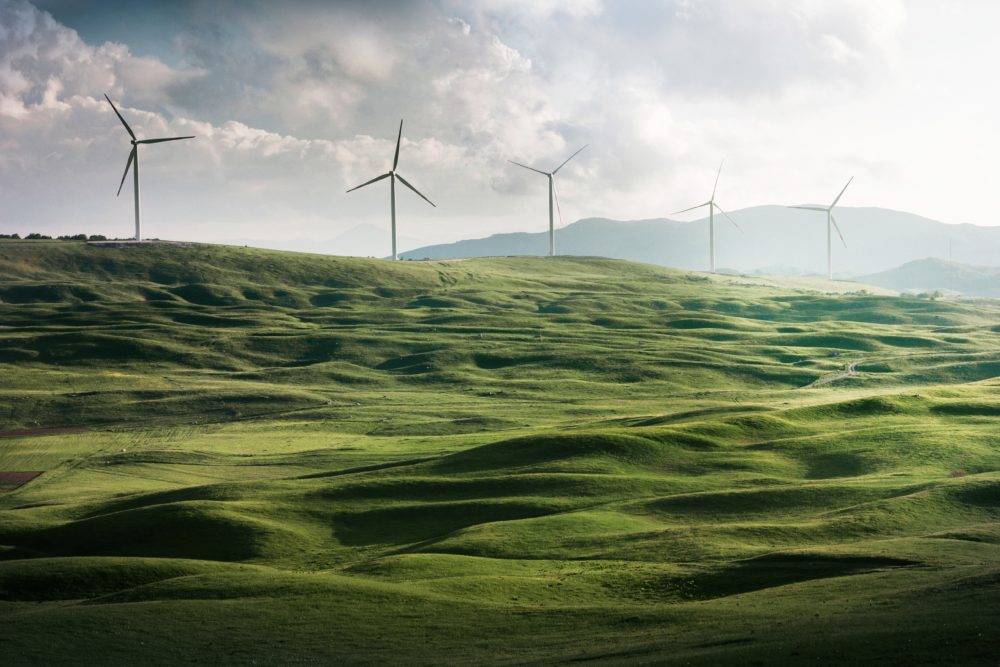
It might seem like green energy is somewhat of a fantasy in the United States, given that widespread political priorities seem to be in favour of a renewed investment in coal. Federal subsidiaries for renewable energy dropped by half, and conflicts with residents who live by wind farms called for axes of those farms.
At the same time, wind, solar, biomass, geothermal, and hydro power continued to soar. In April, green energy hit a milestone when for the first time, renewable energy generated more electricity than coal-powered power plants in the U.S. And this trend is just getting started.
Renewables are Coming to Town:
A recent analysis by the Institute for Energy Economics and Financial Analysis (IEEFA), which is a non-profit that supports the transition to clean energy, shows that in April, renewables would surpass the 2,000 megawatt hours per day generated by coal. This is projected to occur throughout the rest of 2019 and 2020.
This analysis, based on the Federal Energy Information Administration, doesn’t necessarily point to the dominance of green energy. Spring is generally the best time for renewable energy because the demand for energy from furnaces and air conditions is low, which many coal plants go temporarily offline for maintenance. Spring runoff also provides a boost in hydropower, but it will be a long time before renewables actually annually surpass coal.
Decline in Coal Energy:
The percentage of coal energy has declined over the last decade. In 2015, energy produced from natural gas exceeded coal. Since then, natural gas remains dominant, producing 35 per cent of electricity in the U.S. compared to 27 per cent produced by coal.
Texas Leading in Green Energy:
For the entire first quarter of 2019, wind and solar topped the production of coal. Almost three hundred renewable energy projects are underway in Texas in the near future, and this will only increase over the next years. Many other states that are investing heavily in renewables include Hawaii, New Mexico, and California. All states have announced aggressive carbon-free energy plans, which will lead to new green energy projects.
Cheaper Lithium-ion Leading to More Green Energy?
The advent of massive, cheap lithium-ion batteries that store and release wind and solar energy when required is making green energy more lucrative to energy companies. Recent figures show that green energy might be slow, but it’s steady. It’s grabbing greater attention, and while coal proponents dismiss these monthly and quarterly ups and downs, they are indicative of disruptions in traditional coal power .
Interestingly, despite the good progress made on renewables, carbon emissions in the United States rose by 3.4 per cent in 2018, reversing a downward trend. The biggest contributor was the transportation sector: airplanes, cars and trucks added more carbon to the atmosphere than power plants.
Related:
Why Companies Can Afford To Be Sustainable
Carbon Tax Ads A Push Toward Emission Reductions