Scientists at University of California, San Diego have made a breakthrough. This appears to discount the theory lithium metal battery failure is due to growth of the solid electrolyte phase. Instead, the researchers believe “bits of lithium metal deposits break off from the surface of the anode during discharging”. Therefore this finding has critical potential for renewable energy storage.
How Lost Lithium Causes Lithium Metal Battery Failure
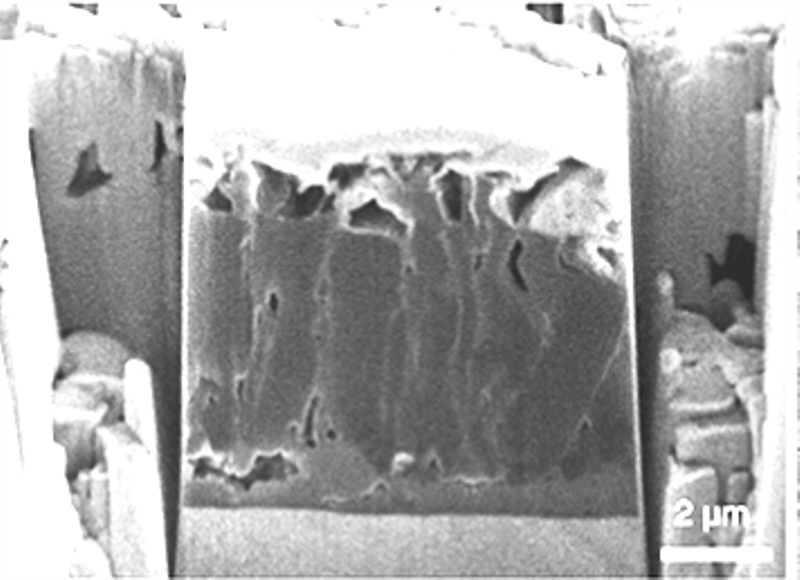
Science Daily explains these lost deposits become “dead lithium” beyond the capacity of the battery to recycle. This means there is less capacity to store the charge next time. However, a new method to measure the amounts of inactive lithium species on the anode just enabled this discovery.
Moreover, this new knowledge could help bring lithium metal batteries from the lab to the market the researchers believe. “By figuring out the major underlying cause of lithium metal battery failure, we can rationally come up with new strategies to solve the problem,” they say. First author Chengcheng Fang adds “Our ultimate goal is to enable a commercially viable lithium metal battery.”
Why This Finding Could Be Very, Very Significant
We already know that batteries with lithium metal anodes have double the capacity of lithium ion ones using graphite. They also hold a greater charge and weigh less. The rollout of green energy requires efficient storage. Therefore this finding could be very significant.
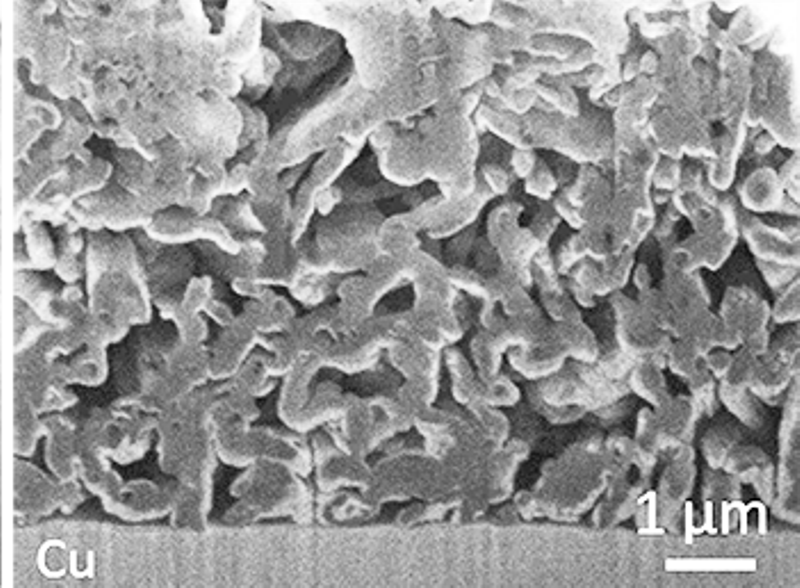
However, the main problem to date has been lithium metal batteries have low coulombic efficiency.
This is another term for faraday efficiency, being the efficacy with which charge electrons transfer. Improving this efficiency is the ‘holy grail of batteries’ scientists are searching for.
The detached lithium deposits lose their electrical connection to the anode, and can therefore no longer recycle. There may be other reasons for lithium metal battery failure, but this one appears to be the most significant.
Related
Lithium-Metal Batteries, Are They For Real?
Lithium Metal Batteries Giant Leap
Preview Image: Quantifying Inactive Lithium at UC San Diego