Half-sized or double-capacity rechargeable lithium metal batteries will be available commercially in 2017. This is according to developer MIT spinout company SolidEnergy Systems. Drones for disaster relief will be the first to benefit. Next up will be companies bringing the internet to remote areas with balloons. “It is a very exciting and noble application,” SolidEnergy founder Qichao Hu says.

Following this, smartphone and wearable users will benefit. We can hardly wait until the two concepts merge and we can chat while handling a plate of spaghetti with ease. Seriously though, the real winners will be electric cars. SolidEnergy founder Qichao Hu foresees ‘huge social impact’ from rechargeable metal batteries starting 2018.
Lithium Metal Batteries Tackle Urban Pollution
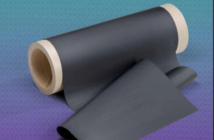
This has huge potential for tackling urban pollution and global warming. Hu’s battery uses ultra-thin lithium metal foil for the anode. This can hold more ions, and hence more energy capacity. Consumers can choose between half the size or double the charge, but that is not all.
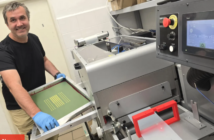
MIT News reports Qichao Hu’s team tweaked the chemical composition of the electrolyte. This made the “typically short-lived and volatile lithium metal batteries rechargeable and safer to use”. The cherry on the cake is lithium-ion battery factories can make them using the same machinery.
The Secret Sauce is in the Electrolyte
SolidEnergy showed off its first working prototype in 2015. Smart investors pumped in $12 million. This sounds like a wise move for the lucky few. This remarkable leap forward is the culmination of decades of research by many. Recyclable lithium metal batteries are “kind of the holy grail for batteries” according to Qichao Hu.
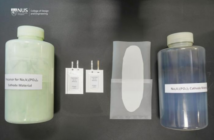
The breakthrough came when he developed a non-flammable solid-liquid hybrid electrolyte and coated it onto the lithium metal foil. “Combining the solid coating and new high-efficiency ionic liquid materials was the basis for SolidEnergy success,” the innovator says. The development of lithium metal batteries took place in tandem with business advice from mentors.
Related
Environmentally Friendly Alternatives Exist for Li-ion Batteries
Scientists Develop Cross-Linked Electrolytes To Make Lithium-Ion Batteries Safer