Proteins are great for building muscle. Now, scientists at Texas A&M University are beginning to wonder whether they could use them for building batteries too. Therefore they will be presenting their ideas at the American Chemical Society Fall 2019 National Meeting & Exposition. However, we couldn’t wait until then to reveal a few details about their protein batteries here.
First Baby Steps to Designing Protein Batteries
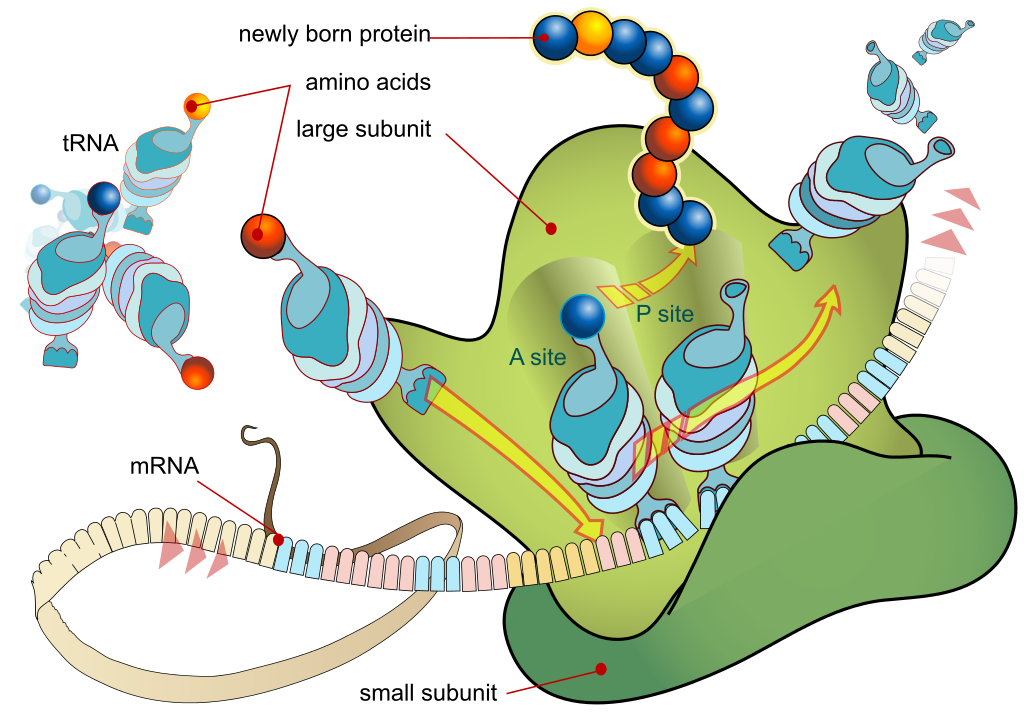
The A&M researchers are experimenting with synthetic polypeptides – which make up proteins – and other polymers as electrodes. Moreover, they are also gaining fresh understanding of electron transfer mechanisms for future protein batteries.
“The trend in the battery field right now is to look at how the electrons are transported within a polymer network.” So says Tan Nguyen, a Ph.D. student who helped develop the project. “Because the beauty of polypeptides is that we can control the chemistry on their side chains without changing the geometry of the main part of the structure. Then we can systematically examine the effect of changing different aspects of the side chains.”
Polypeptides Could Eventually Be Used for Flow Batteries
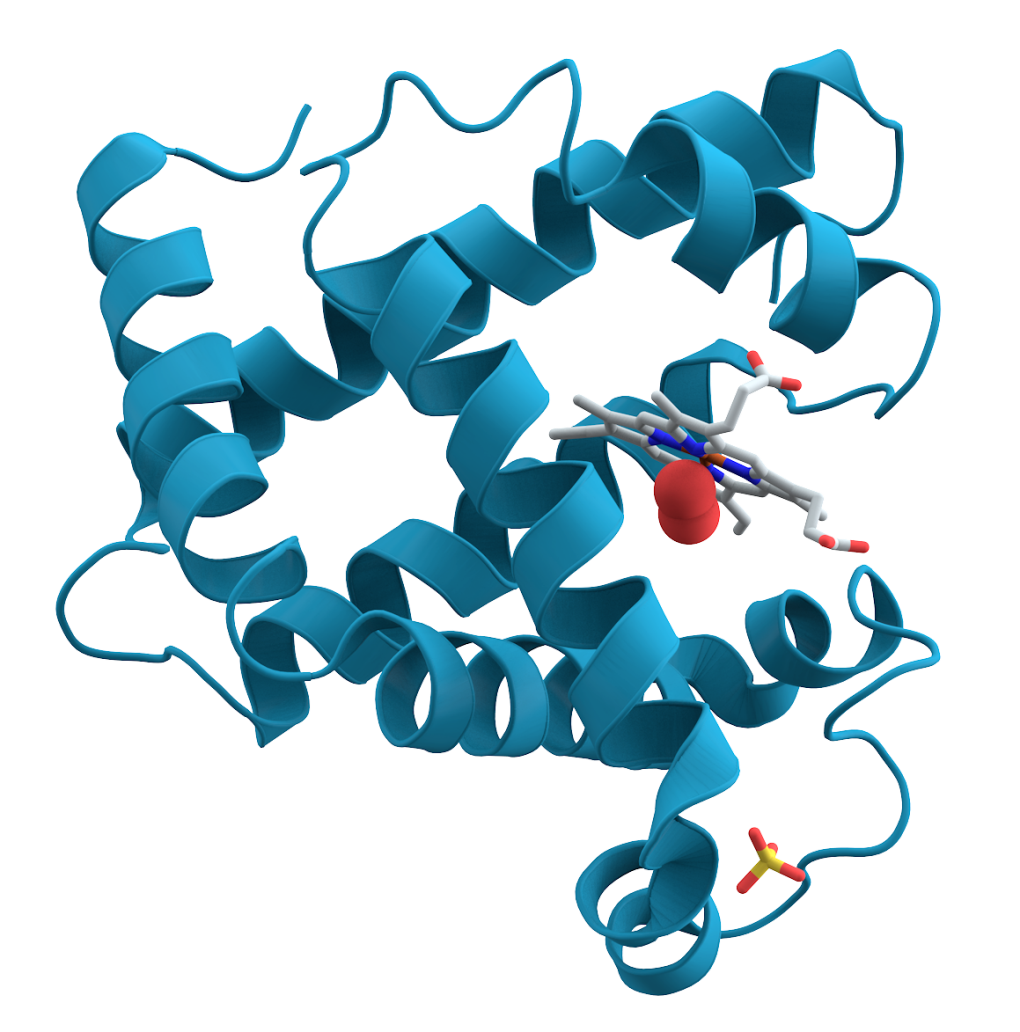
Karen Wooley, Ph.D., who leads the team at Texas A&M thinks we could use polypeptides for storing energy one day. “Moreover the other advantage is that by using this protein-like architecture, we’re building in the right kinds of conformations. Forms we find in proteins in nature that already transport electrons efficiently,” she explains.
The team has constructed several polymers able to assume random coil, alpha helix and beta sheet conformations. They are now investigating their electrical characteristics for potential organic battery applications.
However, it’s still early days yet. None the less the thought of protein batteries has an enticing feel. A prototype using electrodes of carbon black, constructing polypeptides has exchanged about 1.5 volts. This is “suitable for low-energy requirement applications, such as biosensors,” Tan Nguyen says. That’s a small start perhaps but a beginning to celebrate.
Related
Lithium Metal Battery Failure at Nano Level
Flexible Conductible Component for Wearables
Preview Image: Various Proteins at Nano Level