

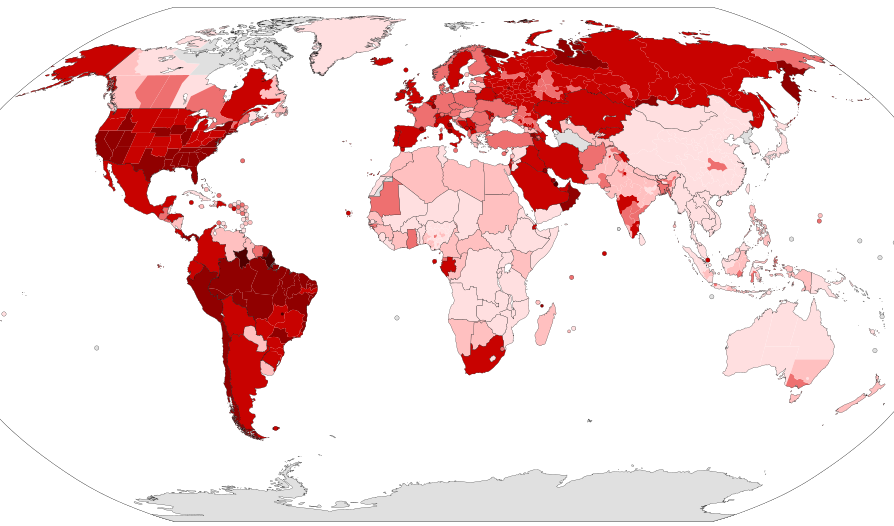
We are still barely through the first six months of the COVID-19 viral pandemic. Scientists must base predictions on the history of other virus outbreaks as they collectively make sense of a patchwork quilt of new information. Therefore they don’t yet know for certain whether the second wave will be worse this fall.
Why Should the Second Wave Be Worse in the 2020 Fall?
The first coronavirus wave started in the United States with a clean slate. There were no previously infected people, and so the spread took longer to develop. However, John Hopkins Medicine says this time the wave will build on a large number of existing carriers, and so will have a head start.
Moreover, the cooler weather in fall will see more people gathering indoors, as opposed to the sunshine outside. This will increase the risk of transmission and infection. These factors could combine to ensure the second wave will be worse this fall. With the added complication of old and new infection chains to disentangle.
Could Other Epidemics Compound the Problem?
Our scientists have found ingenious ways to save more lives from the new coronavirus. Our healthcare providers know what to do, provided they have the tools. Unfortunately, unlike the first wave the second wave could coincide with the annual flu season. Health resources could be under strain if the flu season is a bad one.
John Hopkins Medicine’s thoughts on whether the second wave will be worse in the 2020 fall include one more concern. They note far fewer children received their regular vaccinations for flu, measles, and whooping cough this year. They are concerned a simultaneous outbreak could complicate the task of health professionals. That is to care all people who are ill.
Related
The First and Second Waves of Coronavirus
Second Wave of Coronavirus and the Weather
Preview Image: COVID-19 on 27 July 2020


