Lead and EV batteries are safe technology, if anything safer than the devices they power. None the less there’s always the slight possibility of operator error, or something else untoward happening. Therefore, we publish these advanced safety tips out of an abundance of precaution. So we know what to do in the event of a battery accident coming upon us suddenly.
Advanced Safety Tips Following Lead and EV Battery Accidents
Lead batteries can leak diluted acid if the case cracks open after high impact shock. Flammable fumes can also enter the atmosphere during recharging, in which case a spark or a flame could ignite them.
Electric vehicle batteries can explode after high impact shock following an accident. But perhaps the greater risk is short-circuiting after the incident, or a technician working on an electric vehicle without first isolating the electric supply.
Lead and EV battery accidents happen almost by definition without warning. We need to know what to do before the first responder arrives. Here are safety tips we gleaned from an article by the Texas Division of Worker’s Compensation (see link below).
Treating Battery Acid Splashed Accidentally in Eyes
Lead battery acid is diluted sulfuric acid. Countermeasures involve diluting it further with more water before it can damage human tissue. Texas Division of Worker’s Compensation recommends:
1… Holding the eyelid(s) open and flushing the affected eye(s) with clean, uncontaminated water for thirty minutes while waiting for assistance.
2… Protecting an uninfected eye from contaminated water while doing so. Transport the injured person to medical care as soon as they stabilize.
Treating a Person for Electric Shock from an EV
Texas Division of Worker’s Compensation advises as follows, remembering the need to avoid becoming a victim yourself:
1… Make sure the person is no longer in physical contact with the electricity source.
2… Move them away with insulated material such wooden or plastic poles if necessary.
3… Isolate the electric source by switching it off to interrupt the electric current.
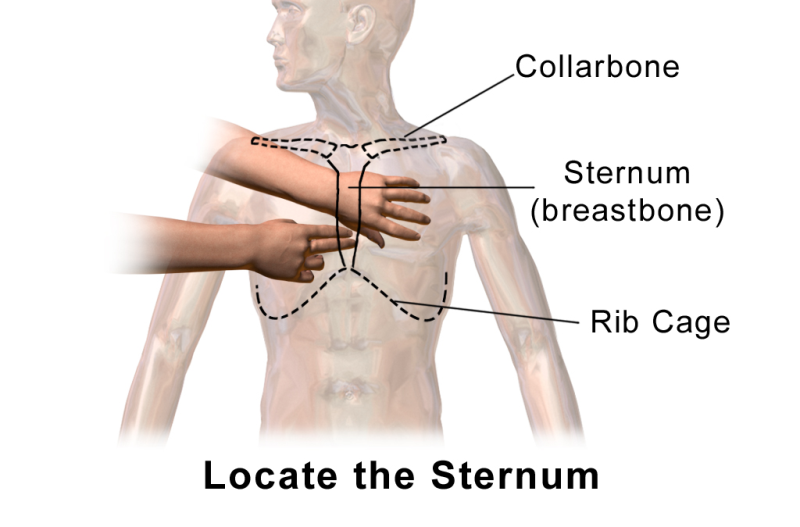
4… Begin COVID-safe artificial respiration as required using chest compression.
5… Continue with compressions until the victim breathes normally or help arrives.
Accidents like these are increasingly rare as technology improves, and knowledge spreads. However, it’s always wise to prepare ourselves for unexpected events!
Recent Posts
Commercial & Industrial Batteries: Safety Tips
Chemistry of a Battery Part 2: Electrolyte
Preview Image: Hand Position for Chest Compression