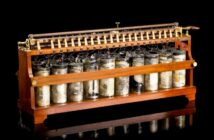
John Benjamin Dancer was an eclectic thinker. He built scientific instruments, and invented microphotography which scaled images down for espionage. But he also pioneered stereo photography enabling binocular viewing creating an illusion of depth. His colleagues remembered him as willing to share ideas. Then in 1838, he invented an improved porous pot cell.
John Dancer’s Porous Pot Cell Invention
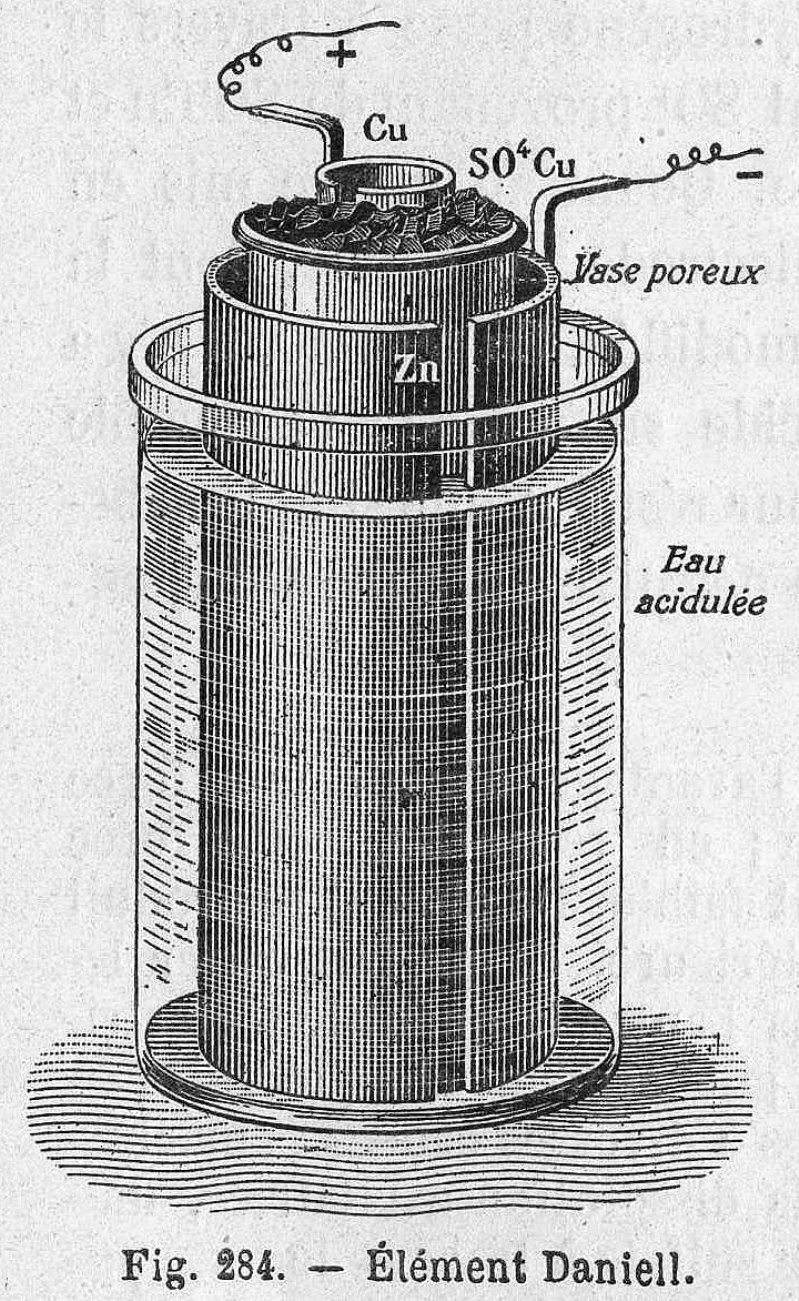
John Frederick Daniel had made a great start with the first, tentative cylindrical battery with an electrode down the middle. However, the energy faded within one hour, and the device proved unreliable. John Dancer set out to improve this model, and came up with the idea of a better porous pot cell.
- He filled a porous earthenware pot with a zinc sulfate solution
- Then he inserted a zinc anode partly into this solution.
- Next, he placed this assembly in a separate copper can.
- This can became the cathode after he filled it with copper sulfate.
How Does This Fit Into the Bigger Picture?
Daniell, Bird and Dancer all created variations on a theme that maps across the design of the modern alkaline cell. That’s because they all had a central anode running vertically through a core. Plus a separator admitting ions between this and a surrounding cathode.
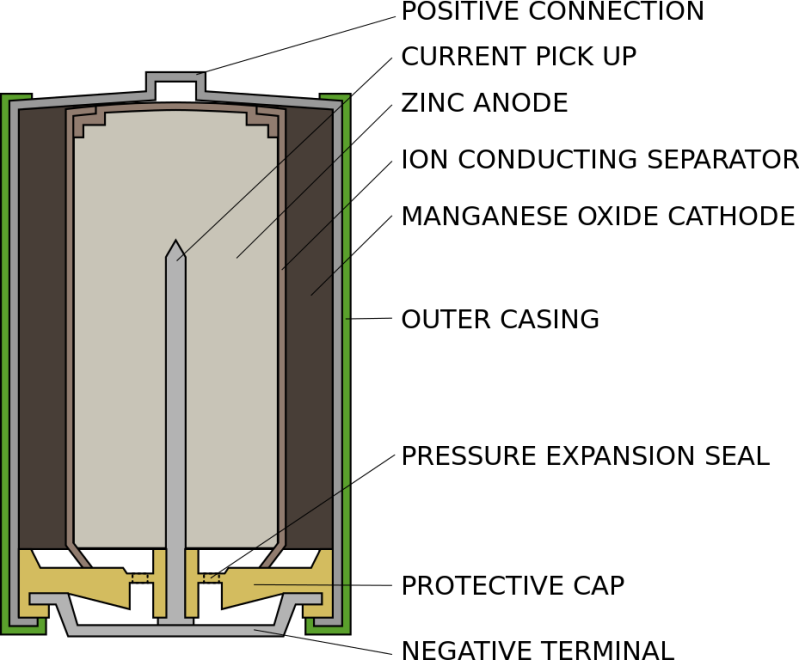
Although those early batteries were not portable and robust in the sense we know them now, they nevertheless made telephones and telegraphs possible, or if you prefer, virtual information. Batteries were therefore at the forefront of the birth of modern technology. But they are also the only known way to make dependable renewable energy possible today.
More Information
Introduction To The History Of Batteries