Researchers at University of Sheffield developed a novel procedure for predicting lithium-ion internal battery structure, using ultrasound wave responses. First they established a genetic algorithm to interpret multiple wave forms caused by numerous internal layers. And now they are exploring commercial applications for the piezoelectric assessments they used in their experiments.
Ultrasound Monitoring of Internal Battery Structure
The following highlights summarize the major achievements of their work:
- New technique for remotely assessing internal lithium-ion battery structures.
- Breakthrough way for monitoring battery health in electronic applications.
- Method for proactively identifying problems earlier and extending battery life.
- Novel application for reverse-engineering batteries using ultrasonic waves.
- Method for revealing battery internal structure, health and level of charge.
There’s a good possibility, according to the university press release, of being able to spot battery problems earlier. Manufacturers could identify internal battery structure defects during manufacture. Trouble-shooting batteries while in service could extend battery life, reduce waste, and limit demand for new batteries.
More Information About This Revolutionary Technique
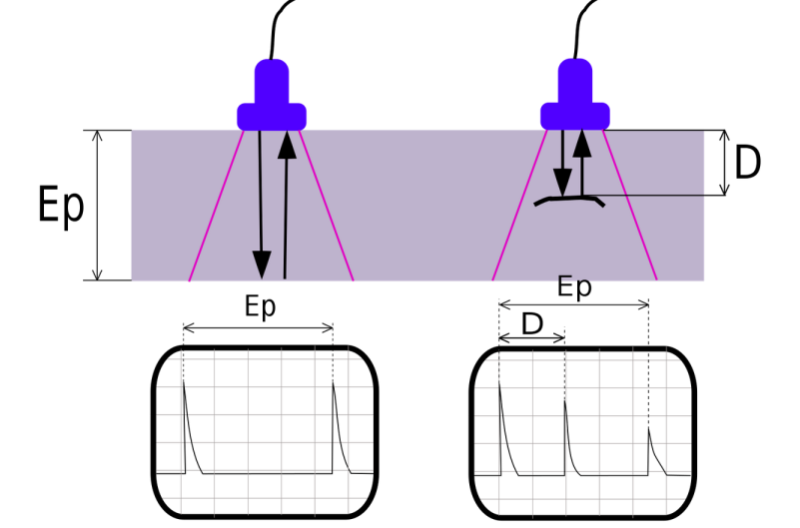
The Sheffield researchers used existing piezoelectric transducers to generate ultrasonic pulses. These were partially reflected, and transmitted at different layers within a battery.
They found these wave-response variances correlated with battery health and state of charge. This is not the first application of this process. However, the genetic algorithm they developed was something new.
For example, they developed a genetic algorithm for a cropped section of a single ultrasonic wave. Then they figured out how to use this information to determine the component cell layers that would create that reference signal.
This information could identify cell structure state, charge, defects, or damage from easily-measured ultrasonic signals in practical applications. The team promotes the idea of using similar computational techniques to solve associated challenges in future.
More Information
Charging Lithium-Metal with Ultrasound
Lithium-Ion Battery Mechanics Under Spotlight
Preview Image: Testing Material with Ultrasound
Share Internet Link to YouTube Video