Lithium and sulfur are among the lightest products used in battery electrodes. This makes them great for powering anything that flies. A complete lithium-sulfur battery, and the casing full of water would weigh about the same.
Lithium Sulfur Batteries are Technically Superior
These lightweight batteries are technically superior to lithium-ion. The material in the cathode is cheaper The energy density they provide is twice as good. Moreover, Li-S batteries have achieved 1,500 charges and discharges under test conditions.
How Lithium-Sulfur Batteries Soar with Wings
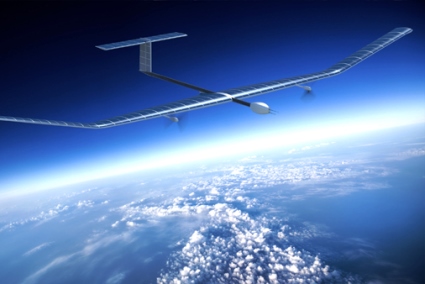
Lighter weight and longer recycling life make Li-S batteries ideal for experimental, high altitude flight. The pilotless Airbus Zephyr pseudo satellite aircraft stayed aloft for eleven days in 2010.
It operated on solar during daytime and lithium-sulfur at night. And flew at 21,562 meters above the surface of the earth. Zephyr holds the world record for unmanned aerial vehicle performance.
The Technology that Makes a Difference
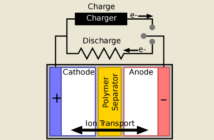
Lithium dissolves from the anode surface during discharge and merges with the sulfurous cathode in lithium sulfur batteries. It returns to the anode where it re-plates it during charging. This is in sharp distinction with lithium-ion batteries where the molecules insert as layered structures.
When Will We See Lithium Sulfur Batteries in Shops?

This could take a while. There seems to be a lack of commercial will to develop the technology to industrial scale. However, forward-thinking Sion Power is working with innovators, while Sony hopes to go to market in 2020.
This may be why the graceful Solar Impulse took to the air on lithium-polymer batteries. Do you remember the first circumnavigation of the earth on solar power, and the troubled road to success? The journey ended in June 2016. Much can happen in the world of batteries in a few months.
Related
Lithium-Sulphur Have We Cracked the Code?
Lithium Battery Technology & What Makes It Special
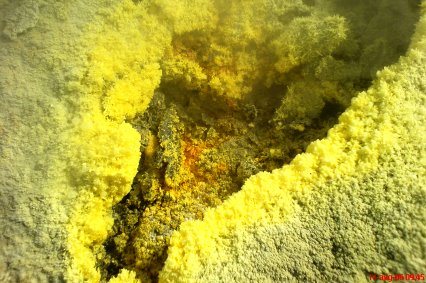
Image: Sulfur on Volcano