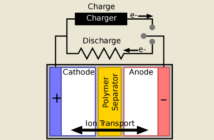
Lithium-ion batteries have been the future of energy storage for the past decade. This has been their role by default, because no other battery can compete with their power. World markets have overlooked their instability leading to fires, because they currently have no comparable alternative. However, we found this situation could soon change, while probing the future of batteries.
The Materials in Future Next-Gen Batteries
Lithium-ion batteries dominate the market in portable devices, electric transport, and bulk energy storage for utilities. Next-generation batteries will most likely use different materials, to reduce cost and use more abundant, safer natural resources.
The big debate on the table when probing the future of batteries, is whether we should improve lithium-ion versions, or abandon them in favor of sodium-ion.
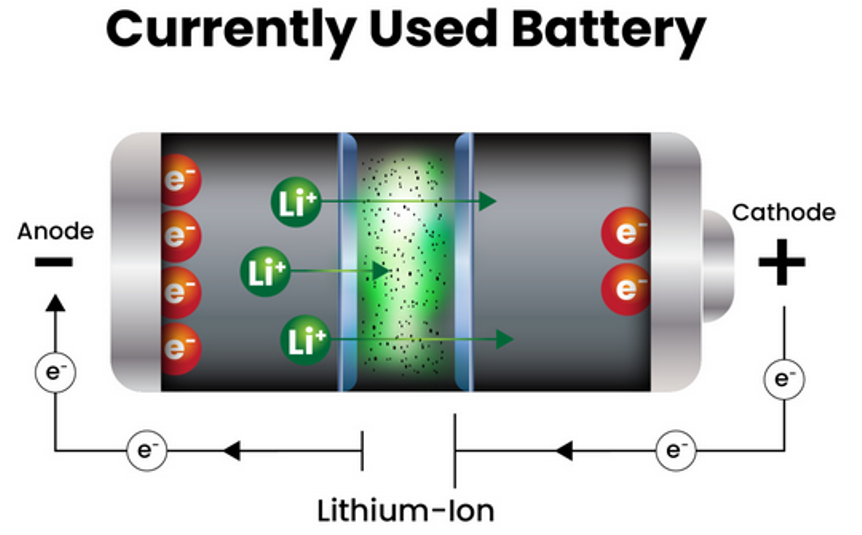
Switching over to sodium-ion should be relatively simple from a manufacturing point of view This is because both sodium-ion and lithium-ion have similar structures:
- They have cathodes at the positive end, and anodes at the negative.
- Both battery types use electrolytes with liquid or solid compounds.
- Lithium-ion and sodium-ion batteries both use metal separators.

More Alternatives For The Future World of Batteries
We anticipate that future sodium-ion batteries will use solid electrolytes, although their flow battery counterparts will continue using liquid options. This expanding opportunity for utility energy storage, also uses reduction-oxidation (redox) reactions.
However, the big difference lies in the fact that flow batteries use two different liquid electrolytes, that exchange ions or protons back and forth. This arrangement has several distinct advantages. These include far-greater energy storage, and the fact that flow battery materials are safer and non-flammable.
More Information
Sodium-Ion Batteries Ringing The Bell