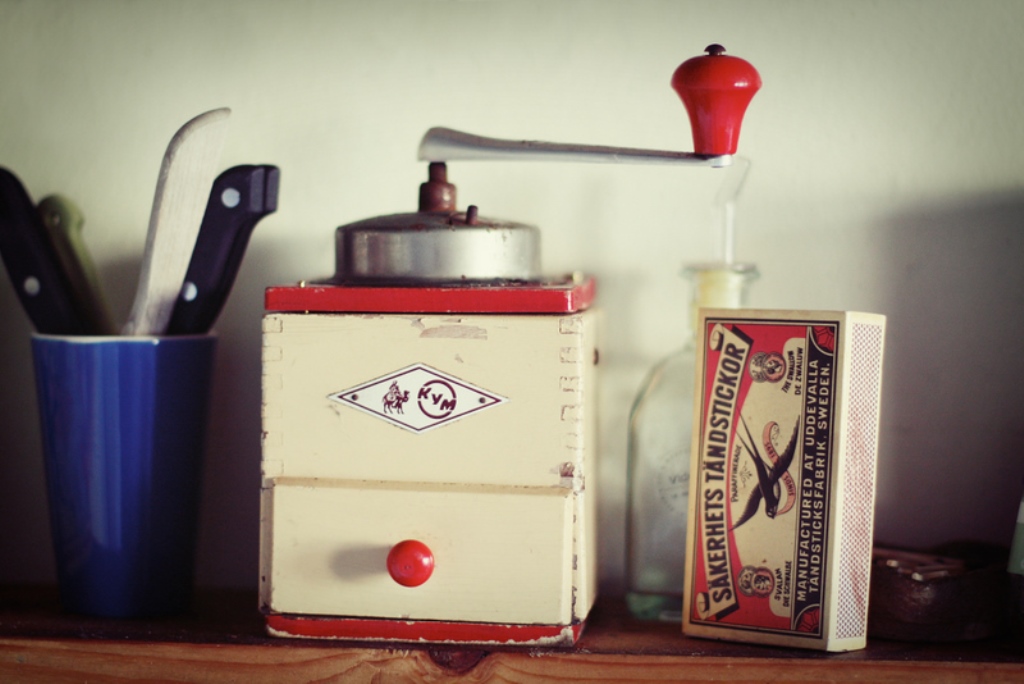
Do you remember when you were a kid, and a kitchen coffee grinder had a handle that you cranked? How hard it was to start, especially for little hands.And how we battled when a bean stuck somewhere in the mechanism. Thanks heavens for our fathers, with Christmas memories coming up. They had energy in their hands!
The Inner Workings of Your Kitchen Coffee Grinder
The chances are excellent your kitchen coffee grinder has a DC electric motor and printed circuit board in its base. It may also have accessories for variable speed control, and indicator lights on the control pane.
It will however definitely have a capacitor. This supplies the initial kick and controls electronic noise.
Capacitors are the loyal servants of electronics. They absorb charge quickly, and are ready in a flash to discharge. Hence, they are still powered up even when we isolate them from mains electricity. Getting a shock from a kitchen coffee grinder when disconnected is not a new normal. When this happens even once, recycle the device. It makes no sense at all to take chances with a shock.
Which Type of Coffee Grinder Is Best for You?
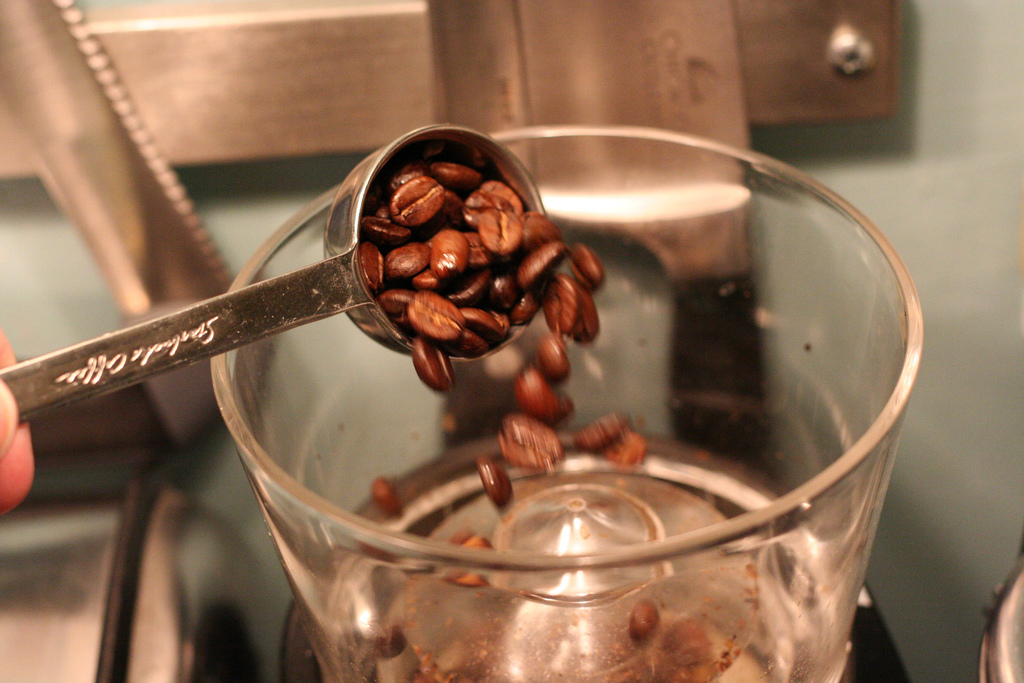
There are two types of electric coffee grinders. In the first instance, some have rotating blades that chop up coffee beans. The longer we operate them, the finer the grind we get. Then we have burr-grinding wheels we can adjust to obtain the desired degree of fineness. These are more likely to have capacitors to reduce strain on the electric motor.
If we wanted to go green and develop our arm muscles a little, there are coffee grinders we can hand crank available from specialty stores. Which is better, do you think? Grinding coffee the old folks’ way, or drowning out the conversation for a short while? We think the original, manual way, especially on Christmas Eve when we are sipping coffee and waiting for midnight to arrive.
Related