Imagine if we mapped out our carbon footprints in a way that allowed us insight into how our patterns of environmental use and consumption affect the environment. Well, researchers have finally developed a visual tool so extensive that it does just that — and more.
The Map:
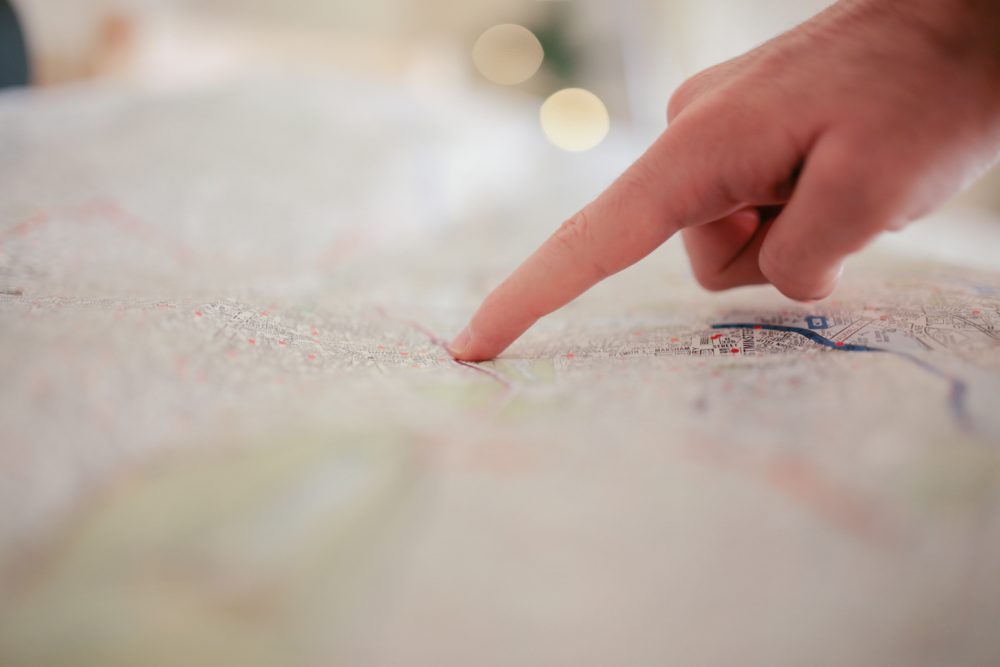
A powerful new map published in the International Journal of Applied Earth Observation points to the extent of environmental degradation caused by human impact. The map was created by the University of Cincinnati, which shows dramatic changes in land use over the last quarter century.
Professor Tomasz Stepinski created a new world map, turning high resolution satellite images from the European Space Agency into one of the most detailed accounts of human impact on the planet.
Migrant Patterns:
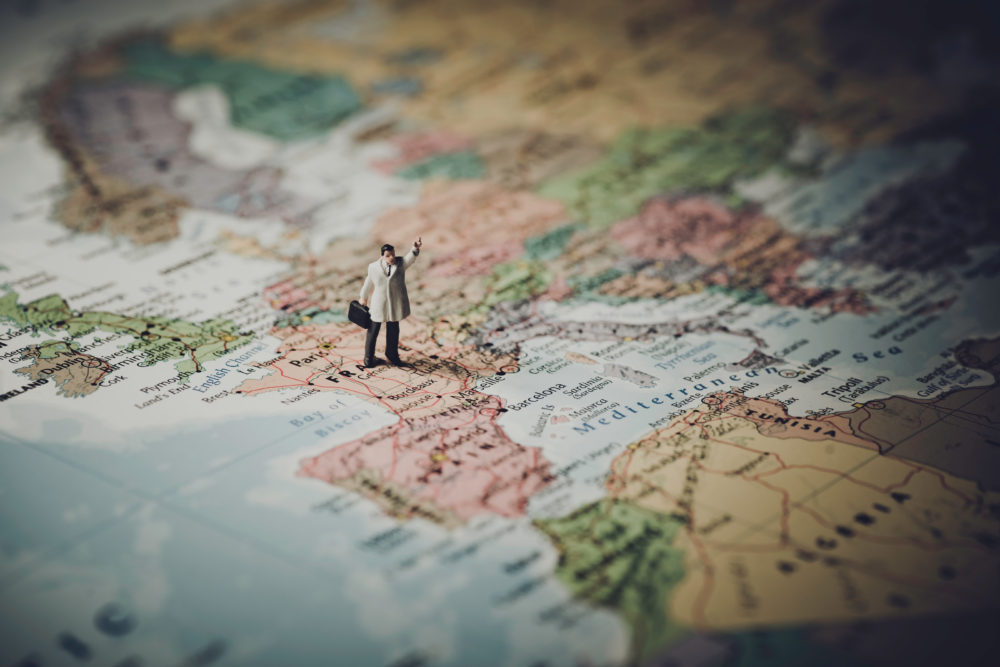
The map is showing migrant caravans leaving parts of southern America, particularly Guatemala and Honduras to reach the United States. They are often referred to as climate change refugees, as many are leaving years of crop failure. Stepinski says climate is only part of the story because the map shows how Guatemala has endured widespread deforestation.
They have also lost the forest because the wood is used for fuel. This is also a major contributor to the refugee crisis. The map shows that 22 per cent of the Earth’s habitable surface has drastically changed between 1992 and 2015.
But Is The Map Telling us Something we Already Know?
This isn’t exactly revealing anything new. We know about deforestation and wetland loss. We also know about the devastation caused by increasing urbanization. Surface cover influences temperature depending on if it reflects or absorbs sunlight. Forest cover absorbs more carbon dioxide than a building.
The map shows how natural resources are leading to extinction. One of the most examples of human actions is in cities, in which the direct impact of human actions is reflected in urbanization patterns. The implications can be huge because they may be able to inform environmental policies if governments take their findings seriously.
Moving Forward…Implications of Human Activity:
Demographics suggest that the human footprint will continue to increase, as the human population continues to increase, creating more demand for land and natural resources. Societies in developed countries use more resources and with increasing development in third world countries, this will increase pressure on land even more.
Related: